Are you wondering if waiting for spring will really net you more for your Monrovia home? You are not alone. Timing your sale can make a noticeable difference, especially in a city where school calendars, Old Town energy, outdoor living, and commute needs all shape demand. In this guide, you will learn when most sellers see the strongest results, which market signals to watch, and how to plan a smooth, profitable sale. Let’s dive in.
Why timing matters in Monrovia
Monrovia attracts a mix of family buyers, commuters to central Los Angeles and nearby job centers, and people who want a walkable lifestyle near Old Town. These buyer groups are active at different times of the year. That means your timing should match who is most likely to buy your specific home.
Local events and retail traffic in Old Town can boost exposure for open houses. Landscaping, lighting, and outdoor spaces also matter because outdoor living is part of the appeal here. Finally, mortgage rates, employment conditions, and inventory levels can enhance or overpower seasonal patterns, so you should confirm current market data before you lock in a launch date.
Seasonal patterns that affect your sale
Spring strength
Spring is traditionally the most active season. Families aim to buy so they can move over summer and be ready for the new school year. Weather helps curb appeal and photography, and buyers come out after winter. In Monrovia, listing late February through May often positions you to capture strong demand, especially for family-oriented homes.
Early summer momentum
If you miss the spring window, early summer still benefits from strong weekend traffic and buyers who started their search in spring. Many of these buyers want to close by mid to late summer. Scheduling showings and open houses around peak weekend times can make a real difference.
Late summer and early fall
Buyer volume typically tapers in late summer and early fall. The trade-off is less competition from other listings. If you list during this period, adjust your pricing and marketing to account for lighter traffic. Motivated buyers, such as relocators, may be ready to move quickly.
Fall and winter opportunities
Fall and winter are off-peak seasons, yet motivated buyers are still out there. With fewer active listings, your home can stand out. Emphasize indoor staging and warm curb appeal with thoughtful lighting. Avoid major holiday weeks when attention is lowest and showings are harder to schedule.
School calendar and local events
For family buyers, the goal is often to close in summer. If you are selling near the start of school, plan flexible timelines. Coordinate open houses with Old Town market days or seasonal festivals for added foot traffic, and consider weekday showings for commuters.
Market indicators to check before listing
Before you choose a date, look at recent local data. These indicators help you decide whether to list now or wait.
- Inventory and months of supply: This measures how long it would take to sell current inventory at the recent pace. Under about 3 months often signals a seller’s market. Four to six months is more balanced. Over 6 months suggests a buyer’s market. If inventory is tight, listing sooner can help you capture competitive offers. If inventory is rising, lean into pricing strategy and presentation.
- New listings and pending sales trend: Watch for week-to-week and month-to-month shifts. If pending sales jump, buyer activity is heating up. If new listings spike, prepare for more competition.
- Median price and price per square foot: Use a 3 to 12 month window to smooth out volatility. Check the pattern for your neighborhood and price tier, since entry-level and higher-end homes can behave differently.
- Days on market and list-to-sale price ratio: Shorter days and higher ratios point to strong demand. Compare across neighborhoods and property types.
- Buyer demand proxies: Showings per listing, open house turnout, and online views or saves can hint at momentum. The mortgage rate environment also matters. Falling rates can bring more buyers into the market, while rising rates can cool activity.
- Employment and local confidence: County-level job trends and nearby employers influence buyer confidence. Favorable news often supports demand.
Plan your listing timeline
A smooth sale starts 3 to 8 weeks before launch. Build a schedule that leaves time for repairs, staging, photography, and marketing.
3 to 8 weeks before launch
- Repairs and inspections: Consider a roof check, HVAC service, and a termite or pest inspection. Confirm working smoke and carbon monoxide detectors. Touch up exterior paint and refresh landscaping.
- Permits and records: Verify permit history for past improvements. If you know of unpermitted work, you must disclose it. Getting these details organized early reduces surprises in escrow.
- Staging and prep: Neutral, depersonalized staging helps buyers picture themselves in the space. Highlight outdoor living, walkability, and proximity to community amenities that appeal in Monrovia.
1 to 2 weeks before launch
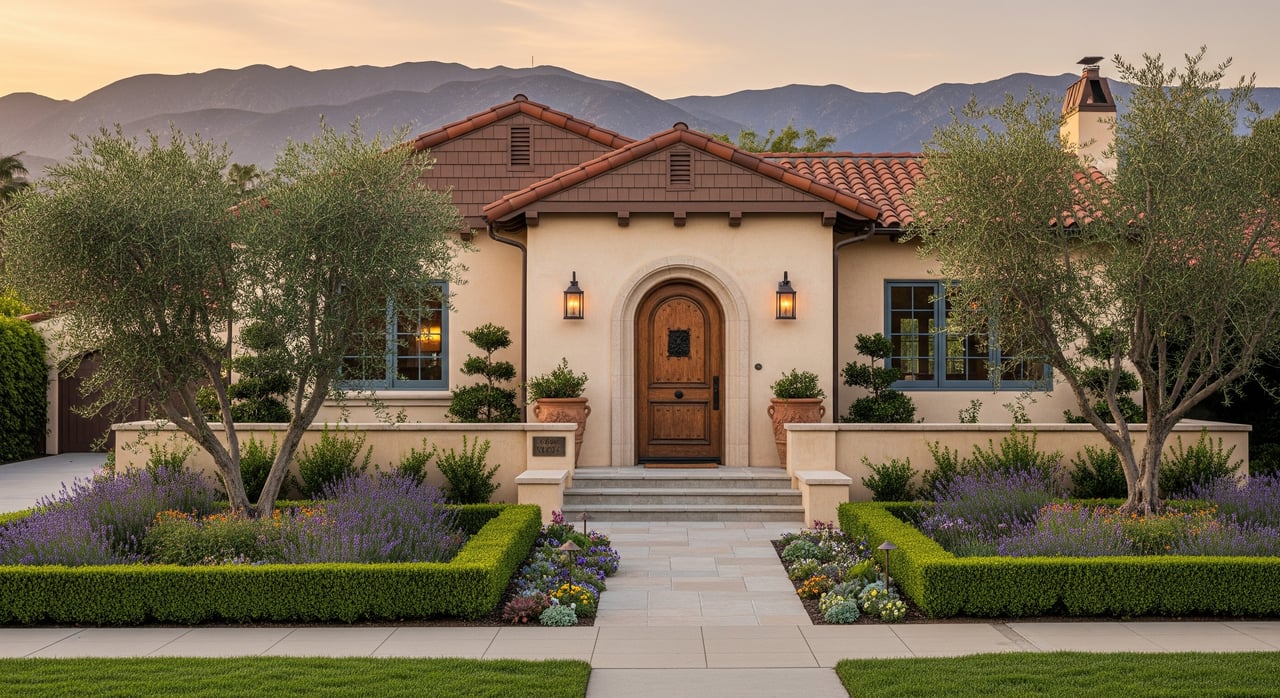
- Photography and media: Schedule professional photos when the yard looks its best. Consider twilight images for homes with attractive lighting or outdoor features.
- Listing day: Many sellers see strong results by listing mid-week, typically Wednesday or Thursday, to maximize exposure before weekend showings.
During the active listing
- Open houses and showings: Weekends are ideal for most buyers. Also consider weekday windows for commuters. When possible, align open houses with busy Old Town periods.
- Broker exposure: In higher-demand moments, a well-timed broker tour can help spark early interest.
Neighborhood and property-type nuances
- Old Town and Station Square: Buyers value walkability, dining, and retail. Event seasons can lift open house traffic. Cottages, condos, and smaller homes here often attract first-time buyers and investors.
- Family neighborhoods near schools: Spring and early summer align with school timelines. Emphasize move-in timing and flexibility.
- Hillside and canyon homes: Buyers look for views, privacy, and lot character. These properties can do well in off-peak months when marketing focuses on unique features and clear permit histories.
- Newer construction and high-end remodels: These buyers may be less tied to school calendars. Timing depends more on overall demand and travel schedules, often strongest in spring and early summer.
Pricing and offer strategy
Price to current comparable sales in your neighborhood, ideally within the last 3 to 6 months. Adjust for seasonality. A slow-season comparable might understate value compared to strong spring activity. If inventory is climbing or traffic is soft, consider more conservative pricing to avoid extended days on market.
In a low-inventory period with high demand, set clear offer timelines, review windows, and communication plans. Work within local norms for how your MLS handles offer deadlines. In all markets, strong presentation and easy showing access help you attract better terms.
Financial and legal timing you should know
- Property tax basics: Many Monrovia sellers are under Proposition 13 rules. Buyers often consider long-term tax implications as part of ownership costs. Confirm details with the county assessor if needed.
- Capital gains and timing: The federal primary residence exclusion under Section 121 may affect your plans. A tax professional can help you time the sale to your benefit.
- Escrow timelines: In California, escrows often close in 30 to 45 days, although terms are negotiable. Shorter escrows can appeal to certain buyers, while longer escrows can help you coordinate your next move.
- Buying and selling at once: If you plan to buy another home, weigh the mortgage rate environment, contingency options, and timing for back-to-back closings to minimize duplicate housing costs.
A simple when-to-list checklist
- Pull the last 3 to 12 months of local MLS stats: inventory, days on market, median price, and pending sales.
- Confirm the current mortgage rate trend and its effect on affordability.
- Identify your likely buyer profile and align with seasonal patterns and school timelines.
- Start repairs, staging, and disclosure assembly 3 to 8 weeks before launch.
- Check the local event calendar to avoid conflicts or leverage high-traffic days.
- Plan a mid-week listing with professional photos and all marketing ready.
- Set a pricing strategy tied to recent comparables and current inventory conditions.
- Schedule open houses and showings for peak buyer attendance windows.
Bottom line for Monrovia sellers
Seasonality matters, but it is not the whole story. The best time to sell your Monrovia home is when current inventory, buyer demand, and mortgage rates align with your property type and your goals. With the right prep and timing, you can reduce days on market and increase your odds of strong offers.
If you want local, property-specific timing advice and a plan that includes professional staging and premium presentation, connect with Mel Macklin Realtor. Let’s create the right window and the right launch for your sale.
FAQs
When is the best time to sell a home in Monrovia?
- Spring and early summer are often strongest, but current inventory, mortgage rates, and buyer demand should guide your final timing.
Is spring always the best season for Monrovia sellers?
- Often yes for family-driven demand, yet low inventory or shifting rates can make an earlier or later listing more effective.
How far in advance should I prepare my home?
- Plan for 3 to 8 weeks to handle repairs, staging, permit checks, photos, and disclosure documents.
What if I need to sell in winter?
- Focus on pricing, indoor staging, warm curb appeal, and clear marketing; fewer listings can help your home stand out.
Which market stats should I check before choosing a date?
- Months of supply, new listings and pendings, median price and price per square foot, days on market, and list-to-sale price ratio.
What disclosures are required for California sellers in Monrovia?
- Transfer Disclosure Statement, Natural Hazard Disclosure, lead-based paint for pre-1978 homes, known material facts, and permit history.
How long does escrow typically take in Monrovia?
- Many California escrows close in about 30 to 45 days, though shorter or longer timelines can be negotiated.
What day of the week should I list?
- Many sellers list mid-week, often Wednesday or Thursday, to build interest before weekend showings.