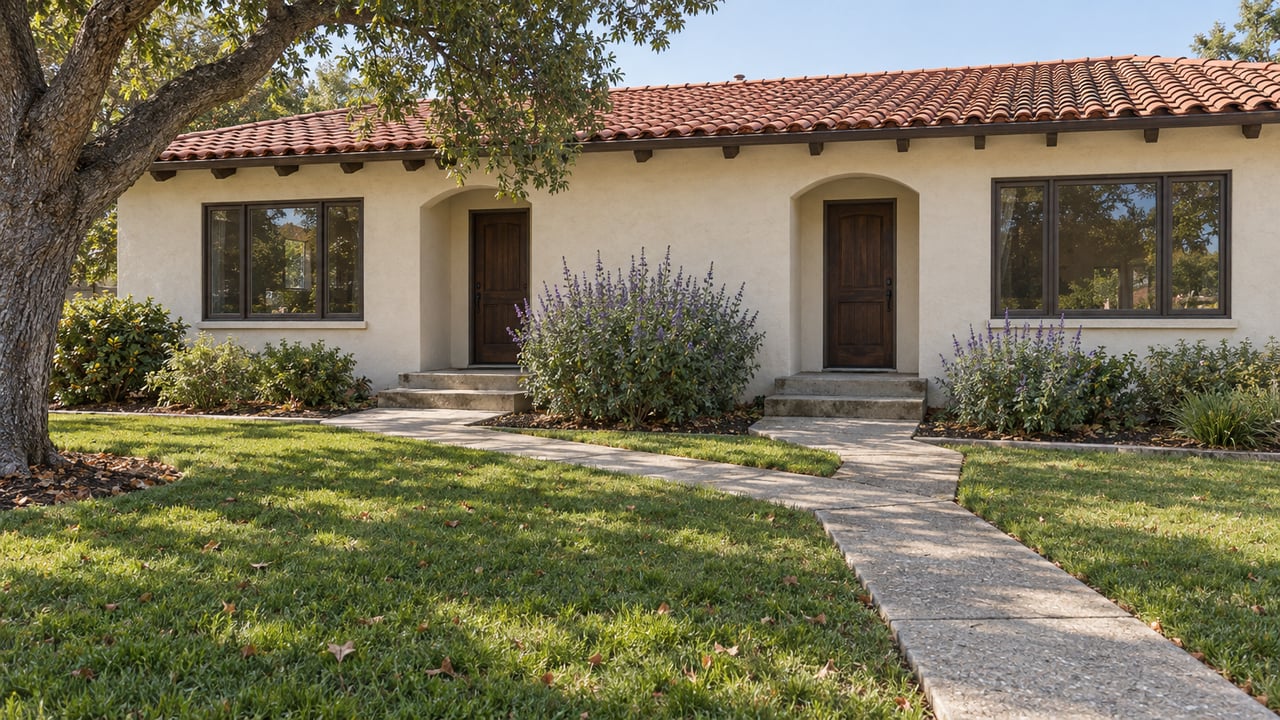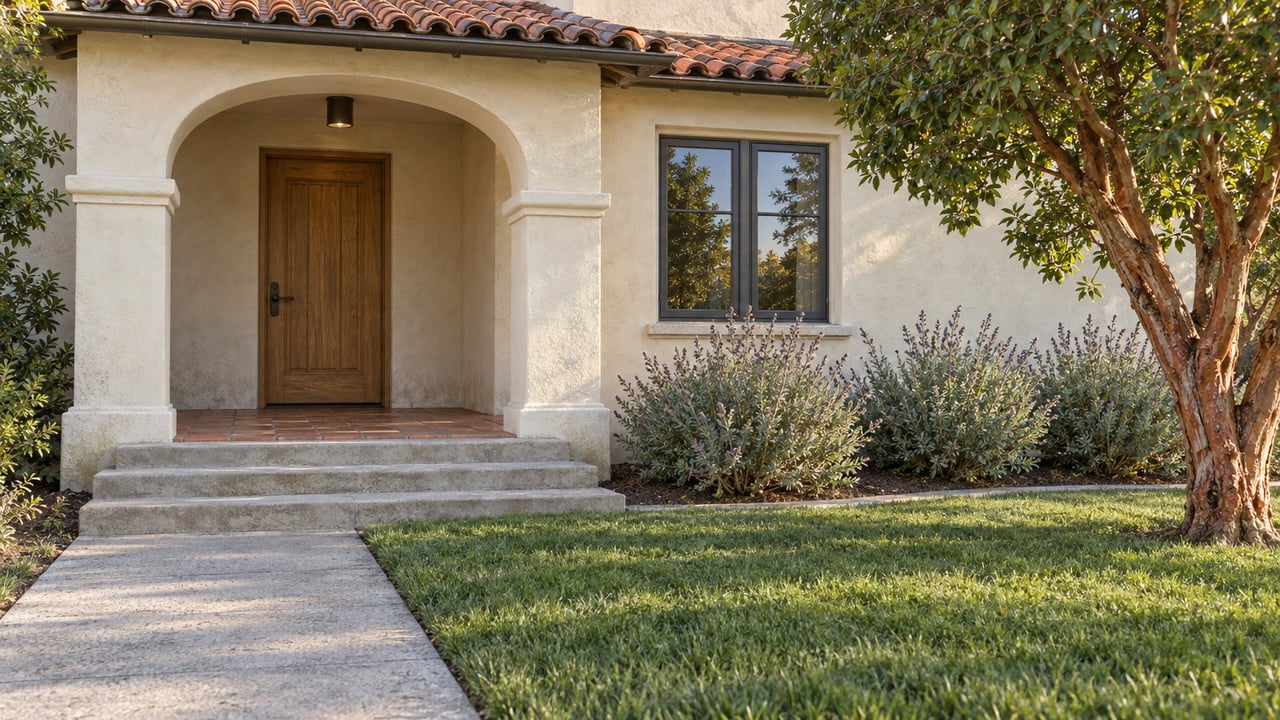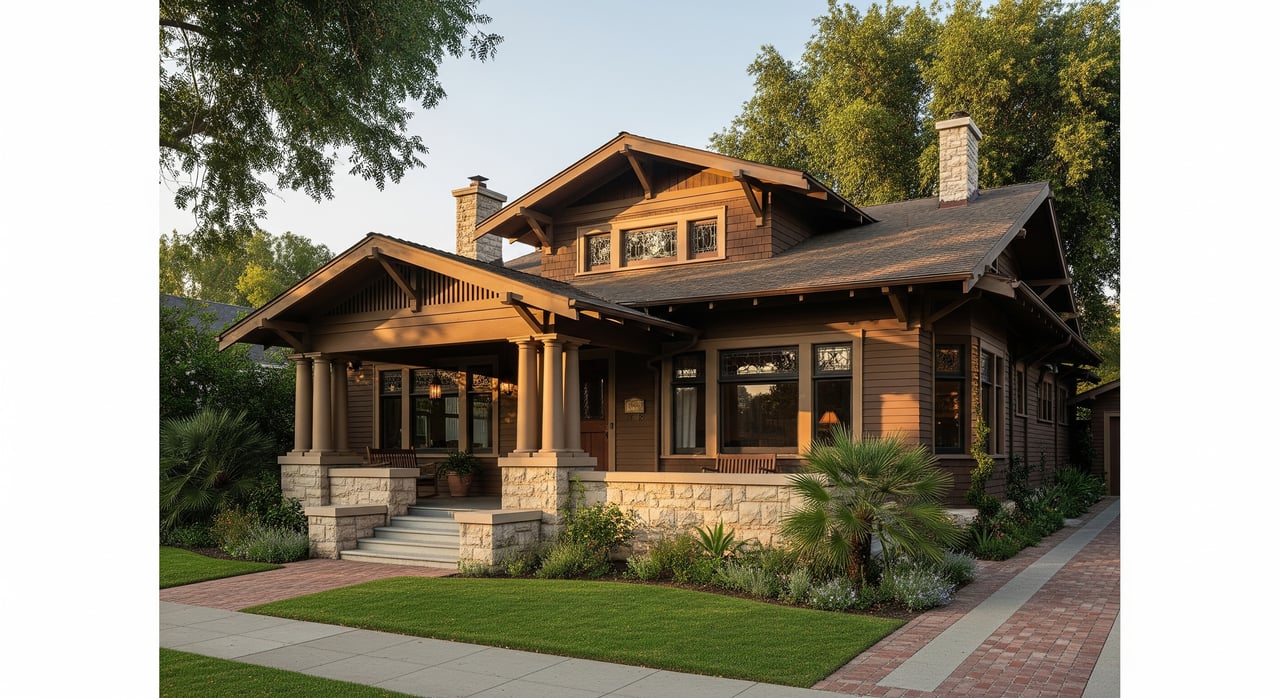
Eyeing a Pasadena Craftsman or Spanish Revival and wondering how the Mills Act might make it more affordable to own? You’re not alone. Many buyers love the character of historic homes but want clarity on taxes, rules, and long-term costs. In this guide, you’ll learn how the Mills Act works in California, what to verify in Pasadena, and a practical checklist to keep your purchase on track. Let’s dive in.
What the Mills Act is
The Mills Act is a California law that lets cities and counties offer property tax relief to owners of qualified historic properties. In exchange, owners commit to preserve and maintain the home according to agreed standards. The agreement is recorded on title and enforced by the local government.
Instead of a typical market-value assessment, the county assessor usually uses a different valuation method for Mills Act homes. This often leads to a lower tax bill. Savings vary widely by property and county practice, so always verify numbers for the specific home you’re considering.
Who qualifies in Pasadena
Mills Act eligibility is set locally. Generally, properties qualify if they carry a recognized historic designation, such as a local landmark or a contributing structure within a historic district. Each city defines which designations it accepts and how the program is administered.
In Pasadena, the city oversees historic preservation and has its own designation programs. Before you rely on projected tax savings, confirm the property’s exact designation and whether it meets Pasadena’s current Mills Act eligibility rules. Also check whether the city has program priorities, an application cap, or specific submittal requirements like a preservation plan or owner affidavits. Local procedures can change, so get the latest details directly from Pasadena’s planning and historic preservation staff.
How the contract works
Mills Act agreements are recorded contracts that usually run for a set initial term, commonly 10 years, with provisions for renewal. The contract typically:
- Requires you to maintain the property and prevent deterioration.
- Requires prior review and approval for exterior changes and additions, and possibly certain interior work if specified.
- Incorporates a preservation plan or standards for rehabilitation.
- Allows periodic inspections and reporting.
Violations can trigger enforcement. Cities may order corrective work, cancel the contract, or pursue other remedies described in the agreement and local law. Most contracts run with the land, which means they usually stay in place when the property is sold. Still, confirm how transfers are handled in Pasadena and whether any notice, fee, or approval is required at closing.
What it means for your budget
A Mills Act valuation can lower your property tax bill compared to a standard assessment. The actual amount varies. Do not assume a fixed percentage. Instead, review recent tax bills for the property and request an estimate from the Los Angeles County Assessor for the most accurate picture.
Historic homes can also cost more to repair and maintain. Materials and skilled labor for historically appropriate work may carry a premium, and approvals can add time to a project. Build these costs into your budget. Lenders generally accept Mills Act properties, but ask how your lender will treat the tax benefit in underwriting and whether a standard appraisal will be required. Insurance needs are usually similar to non-historic homes, though replacement costs for unique materials may affect premiums.
Buyer due diligence checklist
Use this step-by-step list during your contingency period:
- Confirm designation and contract status
- Ask the seller for a copy of the recorded Mills Act contract and any related covenants.
- Verify the home’s historic designation with the City of Pasadena Planning and Historic Preservation staff.
- Verify transferability and procedures
- Confirm that the contract transfers with the sale and whether Pasadena requires notice, fees, or approval to complete the transfer.
- Obtain tax history and estimates
- Review several years of tax bills, including years before and after the contract took effect, if available.
- Contact the Los Angeles County Assessor for a Mills Act valuation estimate or request the seller’s valuation documentation.
- Review obligations and compliance history
- Read the full contract, any preservation plan, and maintenance schedules.
- Check city records for inspections, notices, or enforcement actions. Ask if any required work is outstanding.
- Evaluate maintenance and rehab constraints
- Learn what types of changes need city review and how long approvals typically take.
- Get estimates for needed repairs that must meet preservation standards.
- Talk with key professionals
- Discuss the property and tax treatment with your lender.
- Consult a real estate attorney experienced with preservation contracts and a tax advisor about the implications.
- If you plan to restore or remodel, consult contractors who specialize in historic properties.
- Verify title and recorded documents
- Confirm the Mills Act contract and any other easements or covenants appear on title.
- Check for liens related to prior enforcement or work.
Pros and cons at a glance
Every historic property is unique, but most buyers weigh these tradeoffs:
Potential benefits
- Lower annual property taxes under the Mills Act valuation method.
- Long-term stewardship of a distinctive home with character.
- Market appeal for future buyers who value preservation and tax savings.
Potential challenges
- Limits on alterations to character-defining features and a formal review process.
- Possible higher maintenance and specialized repair costs.
- Ongoing inspections and reporting, depending on the contract.
Common mistakes to avoid
- Assuming a specific tax savings percentage without an assessor estimate.
- Overlooking the recorded contract language and any required preservation plan.
- Planning major alterations before reviewing what the city will approve.
- Skipping past tax bills or compliance history when evaluating the property.
- Ignoring transfer procedures that Pasadena may require at closing.
How to make a strong offer
- Include time for document review. Build adequate time for retrieving the contract, tax bills, and city records.
- Line up experts early. Talk with your lender, attorney, and a historic-property contractor during your contingency period.
- Be transparent about intended work. If you plan to remodel, outline your goals and start the conversation with city staff on feasibility.
- Back your numbers. Use realistic quotes for repairs and an assessor estimate to shape your budget and offer strategy.
Working with a local guide
Buying a historic home in Pasadena is as much about planning as it is about passion. With local guidance, you can verify eligibility, quantify the tax benefit, and understand the preservation path before you commit. If you want a walk-through of the Mills Act process, introductions to city staff and qualified contractors, or help building a clean offer strategy, reach out to a neighborhood-focused agent who does this work every day.
Ready to explore Pasadena’s historic homes with clarity and confidence? Connect with Mel Macklin Realtor for tailored guidance and a step-by-step plan.
FAQs
What is the Mills Act for California historic homes?
- It is a state law allowing local governments to offer property tax relief to owners of qualified historic properties in exchange for preservation obligations recorded on title.
Do Pasadena Mills Act contracts reduce taxes by a set amount?
- No, savings vary by property and county valuation; review recent tax bills and request a specific estimate from the Los Angeles County Assessor.
Does a Mills Act contract transfer when the home is sold in Pasadena?
- Typically it runs with the land, but you should confirm Pasadena’s current transfer procedures, including any notice, fee, or approval.
Can I renovate a Mills Act home in Pasadena without approvals?
- Not for changes that affect character-defining features; most exterior work and some interior elements require review and approval per the contract and local rules.
Are there extra maintenance costs for Mills Act homes?
- Often yes; historically appropriate materials and specialized labor can cost more, and approvals may extend project timelines.
Does a Mills Act contract require public access to my home?
- Generally not for owner-occupied residential properties; check the specific recorded contract to be sure.