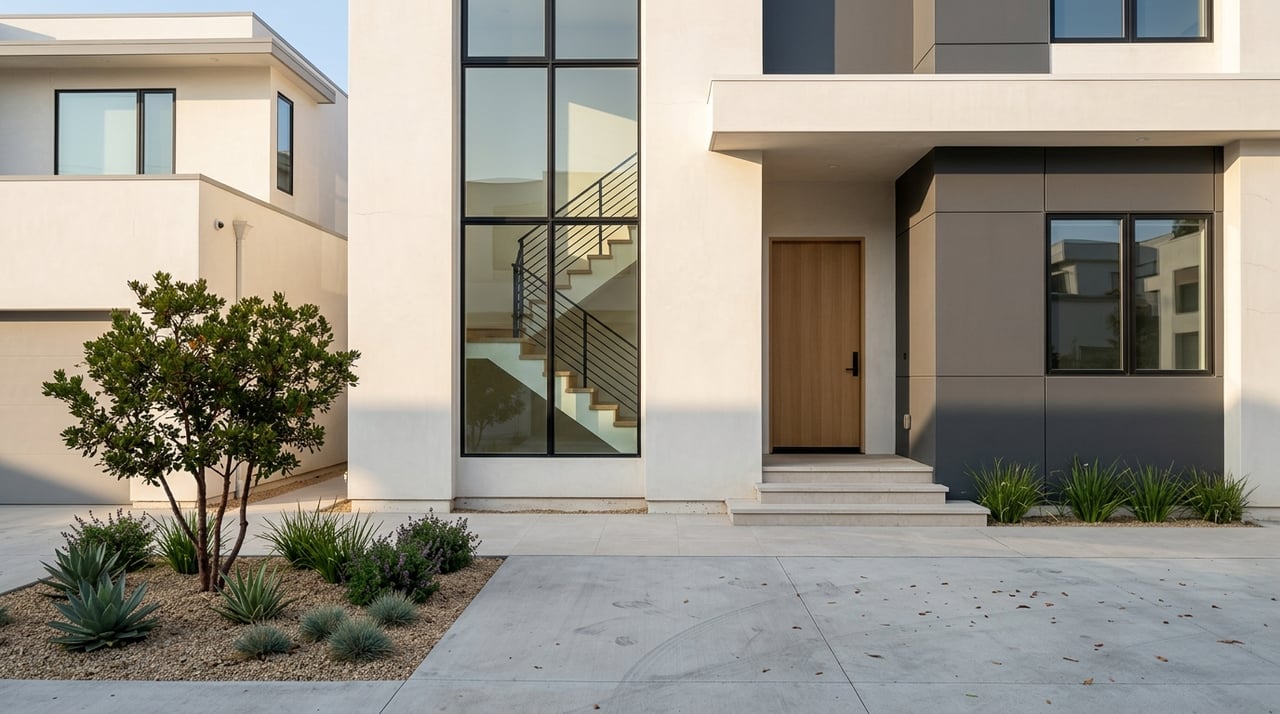
If you are shopping for an attached home in Pasadena, the label on the listing can tell only part of the story. A condo, a townhome, and a small-lot home can look similar online, yet they can come with very different ownership rights, HOA obligations, parking setups, and long-term costs. If you want a home that fits your lifestyle and budget, it helps to understand what you are really buying before you fall in love with the floor plan. Let’s dive in.
Why the label is not enough
In Pasadena, attached and smaller-scale housing reflects both the city’s long history of courtyard-style living and its current planning approach. The city directs higher-density growth toward places like the Central District, Transit Villages, and Neighborhood Villages, which helps explain why condos and townhome-style properties often cluster near mixed-use and downtown-adjacent areas.
That local context matters because the marketing term on a listing is not the same as the legal structure of the property. Two homes may look almost identical from the street, but one may be a condominium, while the other may be part of a planned development with different maintenance duties and ownership rights.
Condo vs townhome vs small-lot home
What a condo means legally
A condominium is a legal ownership form. In most condo projects, you own the interior unit and a fractional interest in the common areas, which are generally controlled or maintained by the HOA.
That usually means more shared responsibility for things like roofs, hallways, landscaping, elevators, or parking areas. If you are drawn to a lower day-to-day maintenance lifestyle, a condo can be appealing, but you still need to understand what the HOA covers and what it does not.
What a townhome means in California
Townhome is primarily an architectural term, not a legal one. In California, a townhouse-style property might legally be a condo, a planned development, or even a detached single-family residence.
That is why you should never rely on the word townhome alone. If you want to know what you own, what the HOA maintains, and where your boundaries begin and end, you need to review the recorded map, deed, and CC&Rs.
What a small-lot home means
A small-lot home is best understood as a site-planning or subdivision approach rather than one fixed legal category. Pasadena’s housing element describes small-lot subdivisions as a way to create single-family homes, townhouses, or garden-court style housing on smaller parcels than standard zoning would normally allow.
For you as a buyer, that can mean a more house-like setup on a smaller footprint. It can also mean the title structure varies from one project to another, so checking whether the property is fee simple, condo, or part of a planned development is essential.
How ownership affects your monthly costs
HOA dues are only part of the story
In California, HOAs enforce CC&Rs, collect dues and assessments, and manage rules for common-interest communities. That means condo and townhome purchases in Pasadena will often involve some type of HOA, and some small-lot communities will as well.
Low-maintenance living can sound simple, but lower personal upkeep does not mean zero financial exposure. The California Department of Real Estate warns that underfunded HOAs can lead to deferred maintenance and special assessments that can reach tens of thousands of dollars.
What to review before you commit
Before you assume a property will be easy to maintain or affordable month to month, review the HOA package carefully. The most important items usually include:
- HOA budget
- Reserve disclosures
- CC&Rs
- Rules and regulations
- Any recent special assessments
- Any pending special assessments
- The most recent reserve study information available
As a practical rule, the more a property depends on shared roofs, shared landscaping, pools, elevators, private streets, or common driveways, the more important the HOA’s financial health becomes.
Privacy and livability in Pasadena attached housing
Shared walls do not tell the whole story
Privacy often depends more on the site plan and recorded documents than on the property label. A condo may include exclusive-use common areas such as a private yard, driveway, or parking space, while a townhouse-style property may still have shared maintenance obligations that surprise buyers later.
In many cases, condos have more shared circulation and common-space responsibility. Townhome and small-lot communities often feel more house-like because they may offer direct entries, garages, or exclusive-use outdoor areas, but those features should always be verified in the documents.
Parking deserves extra attention
Parking can be a bigger issue in Pasadena than many buyers expect. The city uses time limits and preferential parking in residential areas near commercial corridors, and the overnight parking permit program is location-specific.
The city also notes that a resident may not qualify for a temporary parking permit if adequate off-street parking is available within 600 feet, including extra parking at the complex. Because of that, it is smart to confirm whether parking is deeded, assigned, tandem, or exclusive-use as early as possible, especially if your household has multiple cars or frequent guests.
Where these homes tend to show up in Pasadena
Pasadena’s General Plan directs higher-density development away from many residential neighborhoods and toward areas such as the Central District, Transit Villages, and Neighborhood Villages. In everyday terms, that means attached housing often feels most natural in places like Old Pasadena, Playhouse Village, South Lake, Civic Center, HeArt, Lincoln, and other mixed-use corridors.
By contrast, older residential areas such as Madison Heights and Oak Knoll are more closely associated with detached housing and historic character. That does not mean attached options never appear there, but it does help explain why your housing choices can feel very different depending on which part of Pasadena you are exploring.
Pasadena also has a strong tradition of compact residential design. The city identifies Pasadena as the birthplace of the bungalow court, with a notable concentration along South Marengo Avenue, which helps explain why many buyers are comfortable with shared-space living that still feels residential rather than high-rise or overly dense.
What current pricing suggests
Pricing is one reason many buyers compare these property types closely. Pasadena’s all-home median sale price was about $1.253 million in March 2026, while recent listing medians showed Pasadena condos around $829,000.
Townhome medians varied by submarket, including about $869,000 in Northeast Pasadena and about $935,000 in Downtown Pasadena. These are listing medians, not sale prices, and they can move quickly, but they suggest attached homes may offer a lower entry point than the citywide median while still reaching premium price levels in central locations.
Which option may fit you best
Condo
A condo may fit best if you want:
- A more hands-off ownership experience
- A location near mixed-use or more urban areas
- Shared amenities or common spaces
- Less exterior maintenance to manage yourself
The tradeoff is that you will likely have more shared walls, more HOA oversight, and a stronger need to evaluate HOA financial health.
Townhome
A townhome may fit best if you want:
- A more house-like layout
- Potentially a direct entry or attached garage
- Possible outdoor space
- HOA-managed exterior upkeep
The key caution is simple: the word townhome does not tell you the legal structure. You still need to verify title, boundaries, and maintenance responsibility.
Small-lot home
A small-lot home may fit best if you want:
- A newer or infill-style single-family feel
- A smaller parcel with less yard upkeep
- More separation than a typical condo
- A compact Pasadena-style residential setting
This option can be especially appealing if you like the idea of a standalone feel without a traditional suburban lot. Still, the title structure can vary, so document review matters just as much here.
Smart questions to ask in escrow
No matter which property type you prefer, a few questions can help you avoid surprises:
- What exactly do you own, and what is shared?
- What does the HOA maintain?
- What do the dues cover?
- Is the parking deeded, assigned, tandem, or exclusive-use?
- When was the reserve study last updated?
- Are any special assessments pending?
- Are there private streets, shared roofs, or shared drives?
These details shape your monthly costs, daily routine, and long-term resale experience more than the marketing description ever will.
The Pasadena takeaway
Choosing between a Pasadena condo, townhome, and small-lot home is really about matching legal structure, lifestyle, and location. If you focus only on square footage or finishes, you can miss the details that affect privacy, parking, maintenance, and future costs.
The good news is that Pasadena offers all three options in a market with strong character, established neighborhood patterns, and a long history of compact residential design. If you want help comparing ownership structure, submarket fit, and what the documents actually mean in plain English, Mel Macklin Realtor can help you sort through the details with a local, practical approach.
FAQs
What is the difference between a condo and a townhome in Pasadena?
- In Pasadena, a condo is a legal ownership form, while a townhome is usually an architectural style. A townhome can legally be a condo, a planned development, or another structure, so you need to verify the title documents.
Are small-lot homes in Pasadena considered single-family homes?
- Sometimes, but not always. Small-lot refers to a planning approach, and the legal structure can vary based on the recorded map, deed, and CC&Rs.
Do Pasadena condos and townhomes usually have HOAs?
- Yes, buyers should generally expect some form of HOA in condo and townhome purchases, and some small-lot communities may also have shared maintenance arrangements.
Why is parking important when buying an attached home in Pasadena?
- Parking matters because Pasadena uses location-specific parking rules, including time limits, preferential parking, and overnight permit rules. You should confirm whether your parking is deeded, assigned, tandem, or exclusive-use.
Are Pasadena condos cheaper than single-family homes?
- Recent pricing suggests condos often list below Pasadena’s citywide all-home median sale price, but prices vary by submarket and can still reach premium levels in central locations.
What HOA documents should you review before buying in Pasadena?
- You should review the HOA budget, reserve disclosures, CC&Rs, rules and regulations, reserve study information, and any recent or pending special assessments.