If your ideal weekend starts with a sunrise hike and ends with dinner on a charming main street, Glendora puts it all within easy reach. You get foothill access, a true small-city village core, and a wide mix of homes that fit many stages of life. In this guide, you’ll learn what living here feels like day to day, what homes typically cost, where to find trails and parks, and how the new A-Line station reshapes commuting. Let’s dive in.
Glendora at a glance
Glendora sits in the San Gabriel Valley and proudly calls itself the “Pride of the Foothills,” with quick access to the San Gabriel Mountains and a historic, walkable downtown known as the Village. You’ll find a city of about 50,000 residents with strong homeownership and a neighborhood feel. The City highlights the foothill lifestyle, local events, and village shopping and dining as core features of life here. For an official overview, explore the City’s snapshot of Glendora and its history on the City of Glendora page.
From a numbers standpoint, the latest Census QuickFacts show owner-occupancy around 68 percent, a median household income near 111,900 dollars, and a median value of owner-occupied housing around 820,800 dollars, based on 2019–2023 data. The mean commute time clocks in at 32.4 minutes, a helpful benchmark when you compare nearby foothill towns. You can review these figures directly on Census QuickFacts for Glendora.
Neighborhoods and homes
The Village and central Glendora
At the heart of town, the Village spans the area around Foothill Boulevard and Glendora Avenue. It is the city’s main walkable district with owner-operated shops, cafes, and seasonal events. If you picture a Saturday breakfast followed by errands on foot, this is where that lifestyle lives.
Route 66 corridor convenience
Foothill Boulevard, part of historic Route 66, runs east to west and anchors many everyday needs. Homes around the corridor offer quick access to shopping, services, and the I-210, which makes commuting simpler.
North hillside enclaves
As you move north into the lower slopes and canyons, lots get steeper and views open up. Neighborhoods near Easley Canyon, Oak Canyon, and Glencoe Heights include larger, custom homes and modern hillside estates. This is where you find an executive hillside feel, more privacy, and panoramic mountain or city views.
South Hills and Morgan Ranch
South of the Village, the South Hills, Lone Hill, and Morgan Ranch areas include quieter suburban streets and many mid-century and ranch-style homes. You are also close to South Hills trailheads, which makes a before-dinner walk or weekend loop easy to fit into your routine.
Architectural styles you’ll see
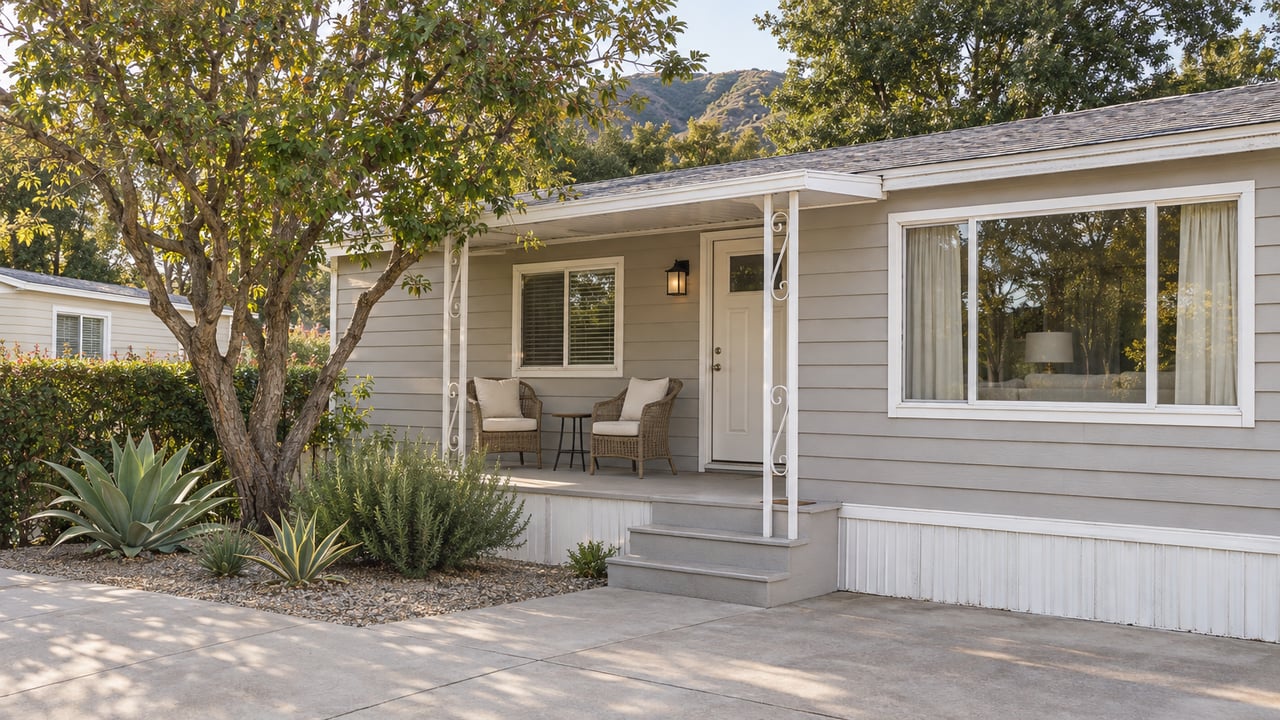
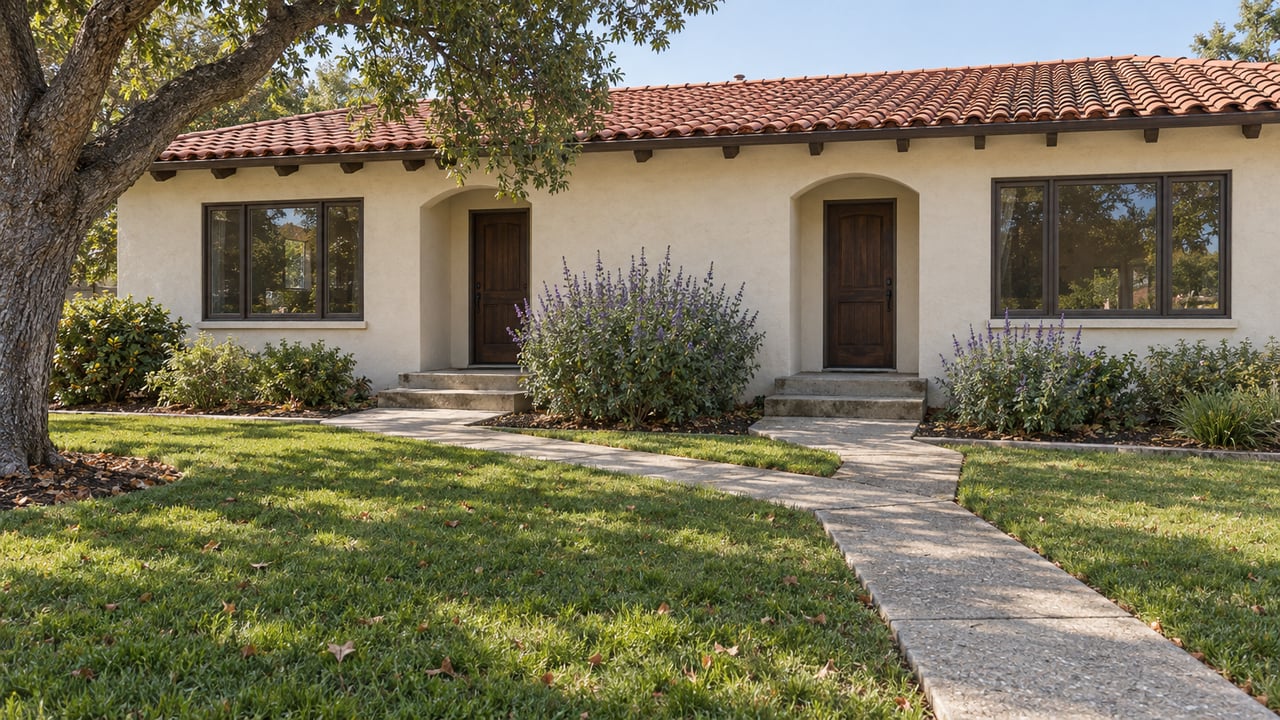
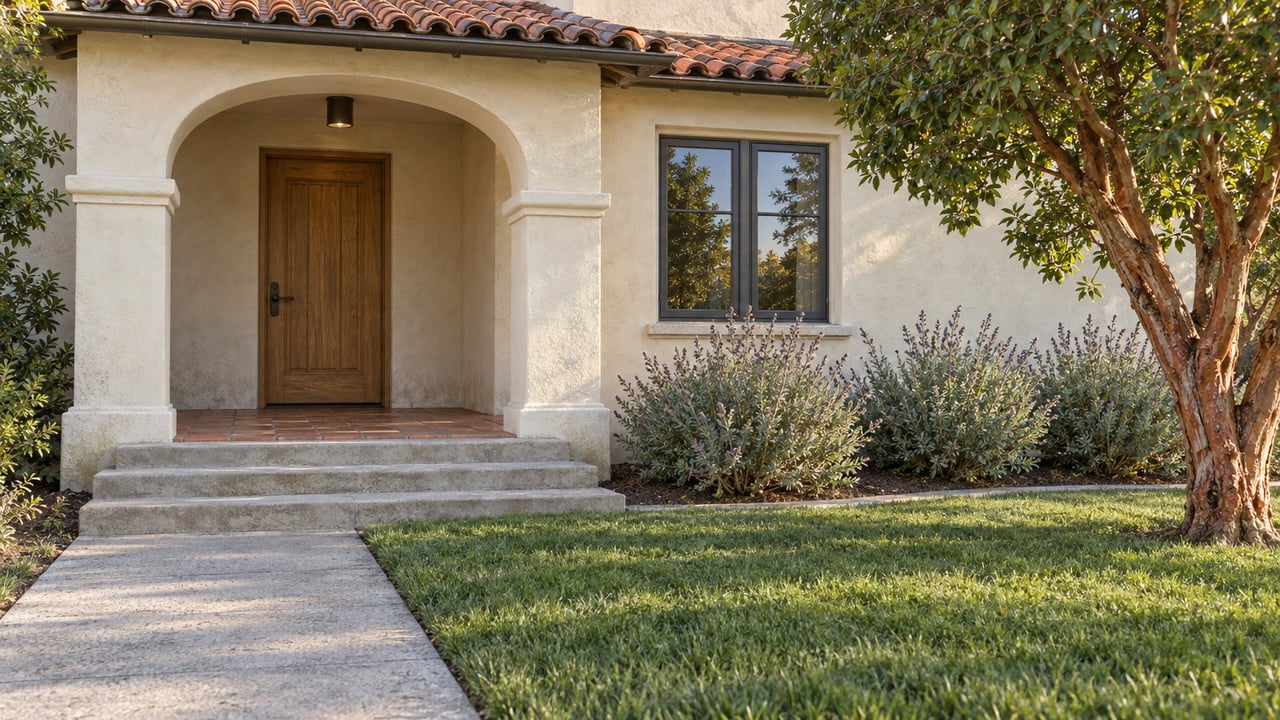
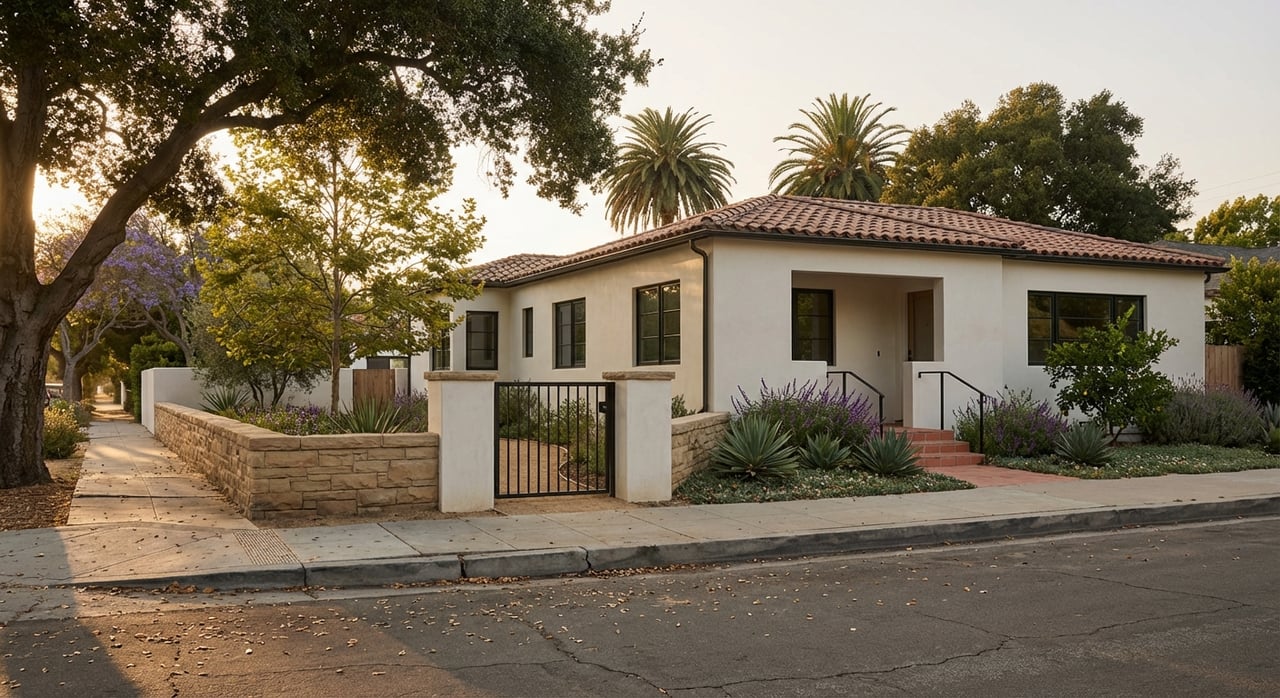
Across Glendora, the housing stock spans early cottages and Craftsman bungalows, Spanish revival, classic mid-century ranch homes, and custom hillside estates. City planning language often references this historic foothill character and traditional styles. For a planning-based description of local character, you can review the City’s planning resources that outline community design and historic context (City planning code resource).
What homes cost today
For a quick market pulse, most public trackers placed Glendora’s median single-family pricing in the mid 800,000 to mid 900,000 dollar range across 2024 to early 2026, depending on the exact month and methodology. For example, the Zillow Home Value Index showed about 874,000 dollars as of late January 2026, while Realtor reported a median near 949,900 dollars in December 2025. Different zip codes trend differently too, with 91741 often reading higher than 91740 in recent snapshots. Use these signals to frame expectations, then look closely at zip-level and neighborhood-level comps when you are ready to act.
Here is a simple way to think about price bands:
- Entry-level smaller homes and condos often list in the low to mid 700,000s.
- Many 3 to 4 bedroom single-family homes run roughly 800,000 to 1.25 million dollars, depending on location and condition.
- North foothill estates and larger custom builds frequently price at 1.5 million dollars or more.
When you are comparing options, track both the ask and the closing price, and remember that condition, lot characteristics, and school pathways can all move value.
Trails, parks, and everyday outdoor life
Glendora officially maintains about 19 miles of hiking, equestrian, and multi-use trails across 32 routes. The two anchors are the Big Dalton Canyon Wilderness Area, about 563 acres, and the South Hills Wilderness Area, about 248 acres. The City’s trail page lists maps, trail etiquette, and community hikes, which is perfect if you want a starter route or a family-friendly loop. Explore current maps and guidance on the City’s Trails page.
Key access points include Big Dalton Canyon Road and Glendora Mountain Road, which also connect into the Angeles National Forest, plus South Hills Park near Mauna Loa Avenue and Bonnie Cove. Day-use amenities span parks like Finkbiner Park, South Hills Park, and Gladstone Park, and the City notes features such as a skate park, lighted courts, equestrian facilities, and picnic areas. For an at-a-glance view of facilities, see the City’s parks maintenance manual on Scribd.
What does this mean for daily life? You can pair a weekday dog walk on a South Hills trail with a quick Village coffee, or plan a longer weekend hike up Big Dalton. The City and local volunteers regularly promote trail care and community outings, which keeps the foothill lifestyle part of the local rhythm.
Downtown Village vibe
The Village is the social center, with walkable blocks, independent retailers, and a steady calendar of local events. It gives Glendora its small-city charm and a place to meet friends without a long drive. For a bit of local color, you can also explore nearby attractions like the folk-art landmark Rubel Castle, which the City highlights among its unique sites. Learn more about the Village and civic highlights on the City’s About Glendora page.
Schools and family life
Public schools are operated by Glendora Unified School District, which includes six elementary schools, two middle schools, and two high or alternative high schools. If schools factor into your move, start with the district’s roster and boundary information, then review third-party rating sites to form your own view. You can see the district overview at the Glendora Unified School District site.
Commute and connections
Drivers use the Foothill corridor and I-210 for most east to west trips, with convenient links to Los Angeles, Orange, and San Bernardino counties. As a quick benchmark, Glendora’s mean travel time to work is 32.4 minutes based on 2019–2023 Census data, which helps set expectations for daily car commutes. You can check the latest commute metrics on Census QuickFacts.
Transit improved recently with the Metro A-Line extension that brought a new Glendora station online in 2025. Agency materials promoted travel times to Pasadena in under 30 minutes and to Union Station in under an hour, which opens a realistic car-optional option for many riders. For details on the project’s phases and service, see the Foothill Gold Line overview.
Foothill realities: wildfire zones and insurance
Foothill living is part of Glendora’s appeal, and it also means you should be mindful of wildfire risk when you shop. Portions of the San Gabriel foothills fall within higher Fire Hazard Severity Zone categories under the state’s updated mapping process. Before you write an offer on a hillside or canyon property, check the State’s FHSZ viewer and your insurer’s guidelines for parcel-specific details. Start here with CAL FIRE’s resource hub and map links: Fire Hazard Severity Zones.
Buyer and seller tips for Glendora
- Crystalize your lifestyle must-haves. If trail access and mountain views are top priorities, focus your search north of the Village and near trailheads like South Hills Park or Big Dalton Canyon Road.
- Think in price bands, not a single number. Because public trackers vary, frame your budget around ranges that match your target zip code and home type. Recent medians landed in the mid 800,000 to mid 900,000 dollar range, with 91741 often trending higher than 91740.
- Walk the block, then drive the commute. Visit during different times of day to gauge street activity, trailhead parking, and your route to work or school.
- Plan for foothill ownership. If you love the north slopes, budget for brush clearance, hardscape maintenance, and potential insurance adjustments tied to hazard zones.
- For sellers, presentation matters. Staging, light landscaping, and crisp photography can shorten days on market and improve offers, especially in a lifestyle-forward city where outdoor flow and curb appeal stand out.
When you are ready to compare neighborhoods, tour homes, or time a listing, you deserve clear guidance and a tailored plan. If you want a local perspective from a San Gabriel Valley specialist, reach out to Mel Macklin Realtor to start a conversation.
FAQs
Is Glendora a good base for commuting to Pasadena or Downtown LA?
- Yes. Drivers use I-210 for east to west trips, and the mean commute time is 32.4 minutes per Census data; the 2025 A-Line extension added a Glendora station with agency-estimated rides to Pasadena in under 30 minutes and Union Station in under an hour.
Where can beginners hike in Glendora?
- Try South Hills Park for gentle loops and wide paths, or start in Big Dalton Canyon for shaded canyon walks; the City’s trails page lists maps, trail etiquette, and suggested routes for all levels.
How do home prices vary across Glendora zip codes?
- Public trackers have recently placed citywide medians in the mid 800,000 to mid 900,000 dollar band, and they often show higher medians in 91741 than in 91740, so check zip-level comps when you set budget and expectations.
What types of homes are most common in Glendora?
- You will see early cottages and Craftsman bungalows in older neighborhoods, plenty of Spanish and mid-century ranch homes, and larger hillside estates to the north, reflecting the city’s historic foothill character noted in planning documents.
What should I know about wildfire risk when buying near the foothills?
- Review parcel-specific designations on the State’s Fire Hazard Severity Zone viewer and talk with your insurer early; foothill and canyon homes sometimes carry higher risk categories that can impact coverage and mitigation steps.