Wondering if a condo or townhome is the right way to buy into Glendora? In a city where most housing is detached, attached homes can offer a more accessible path to ownership with less day-to-day exterior upkeep. If you are weighing price, space, HOA costs, parking, and long-term fit, this guide will help you sort through the tradeoffs and shop with more confidence. Let’s dive in.
Why attached homes matter in Glendora
Glendora is a largely built-out city at the base of the San Gabriel Mountains, with less than 0.3% of developable land still vacant. The city is also less than 30 miles from downtown Los Angeles, and the Metro A-Line Glendora Station opened in 2025. Those factors help explain why condos and townhomes play an important role for buyers who want to own in Glendora.
The local housing mix still leans heavily toward detached homes. Recent city data shows a 67.9% homeownership rate, with about 69.9% of housing units classified as single-family detached and 8.8% as single-family attached. That means condos and townhomes are a smaller slice of the market, which can make good opportunities feel competitive when they appear.
What Glendora condo inventory looks like
Attached-home inventory in Glendora tends to be limited but active. Recent market snapshots showed 12 condos for sale at a median listing price of $612,000, and in the prior month there were also 10 condos and 11 townhouses on the market. In practical terms, you are shopping in a segment that is smaller than the detached-home market.
That smaller supply matters because desirable communities may not offer many choices at any one time. If you want a certain layout, newer construction, a two-car garage, or a gated community, you may need to act quickly when the right fit comes up. Preparation often makes a bigger difference in this segment than buyers expect.
Condo vs townhome in Glendora
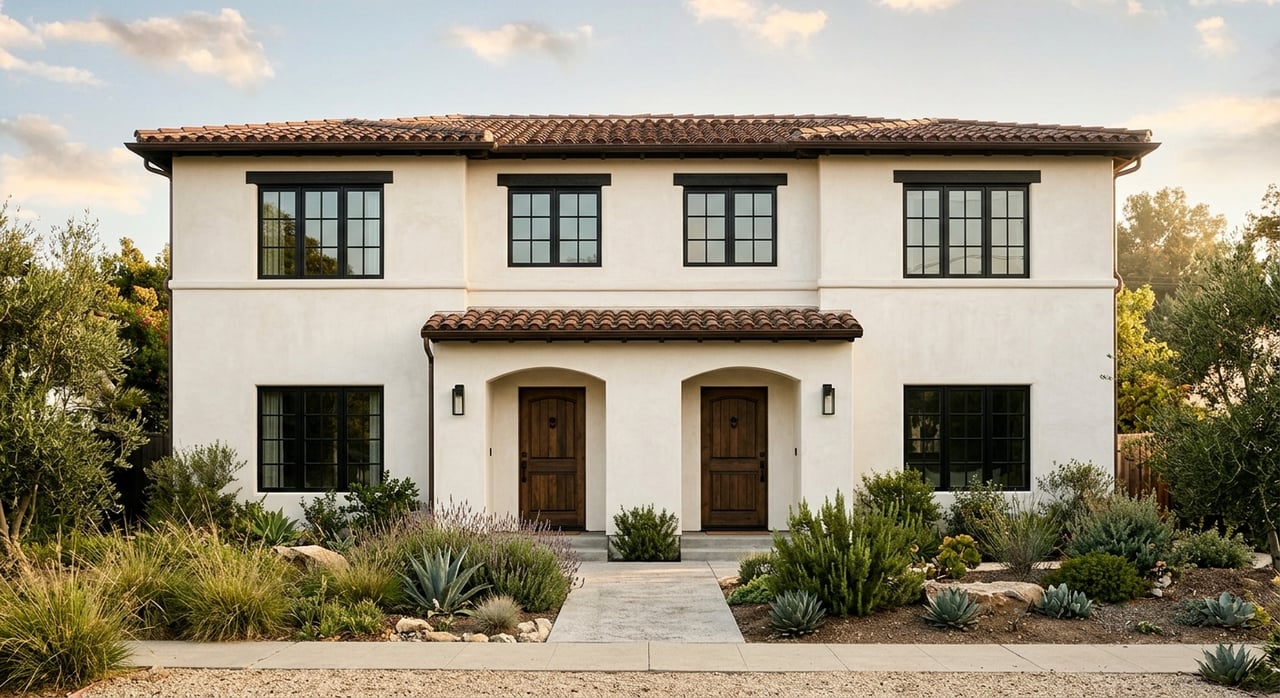
One of the most important things to know is that appearance does not always tell you the legal property type. In California, a home that looks detached can still be legally part of a condominium or planned development. Before you fall in love with a floor plan or exterior style, make sure you verify exactly what you are buying.
That legal structure affects more than paperwork. It can shape what you own, what the HOA maintains, what rules apply, and how future costs are shared. For buyers, that means the ownership structure deserves just as much attention as the kitchen, bedrooms, or outdoor space.
What you may see in local communities
Recent Glendora listings suggest a pattern of amenities that many buyers find appealing, especially in newer or updated communities. Features seen in current listings include:
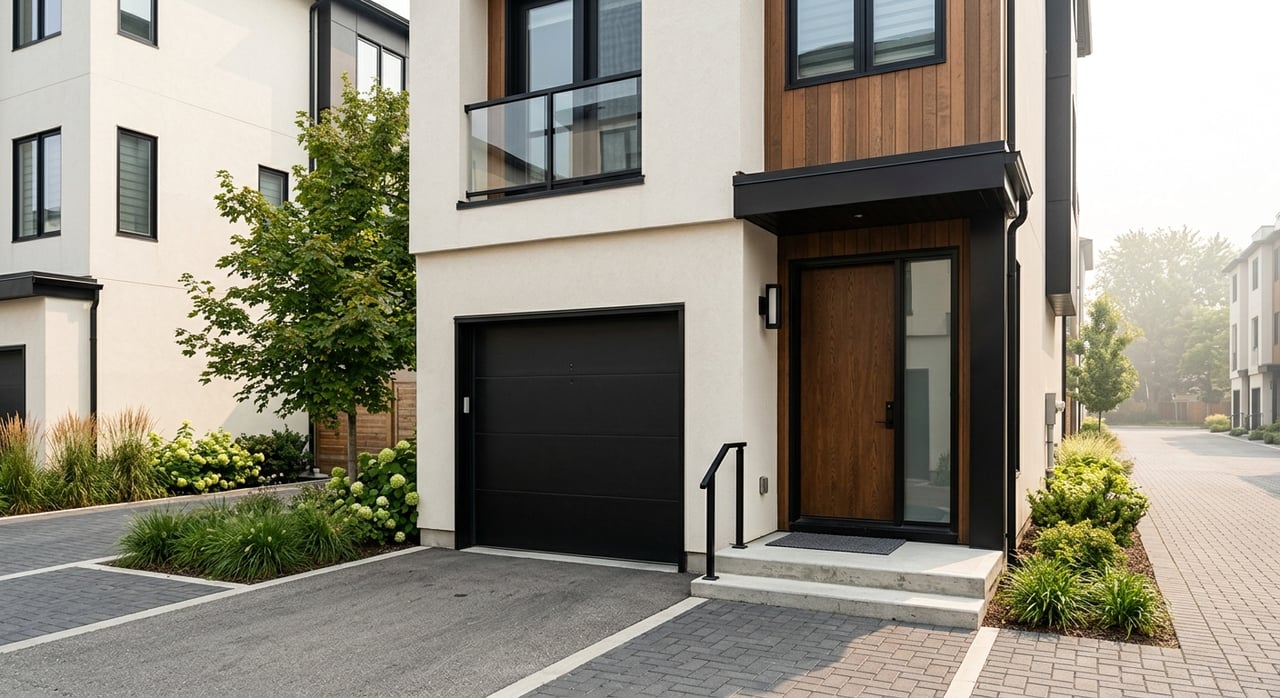
- Attached two-car garages
- Gated entries
- Pools and spas
- Playgrounds or park areas
- Guest parking
- BBQ areas
- Balconies or rooftop terraces
- In-unit laundry
- EV charging outlets
These features show up often, but they are not guaranteed in every community. It helps to compare not just the home itself, but also the full lifestyle package that comes with the HOA.
How attached homes compare with single-family homes
If you are deciding between a condo or townhome and a detached home in Glendora, the biggest difference usually comes down to control, maintenance, and outdoor space. Recent detached-home examples ranged from about 1,064 to 3,164 square feet, with at least one listing on a 7,454 square foot lot. Recent attached-home examples clustered around roughly 1,232 to 1,780 square feet.
That does not automatically make one option better than the other. It simply means you are balancing different priorities. A condo or townhome may give you less private yard space and more shared areas, while a detached home often gives you more direct control along with more property upkeep.
Common tradeoffs buyers consider
When you buy an attached home, you are often trading some privacy and exterior control for shared-cost maintenance and lower yard responsibility. That can be a strong fit if you want ownership without taking on every roof, paint, or landscape task yourself.
A detached home usually offers more flexibility over the property, but it also puts more of the maintenance burden directly on you. The right choice depends on how you want to live, not just what looks best on paper.
Why HOA review matters so much
In Glendora, many condo and townhome purchases involve a common-interest development. That means the HOA is not a side detail. It is a major part of what you are buying.
In California, HOAs generally maintain common areas and enforce the governing documents for the community. Monthly dues help fund day-to-day operations and long-term reserves, and in some cases owners can also face special assessments for major repairs or unexpected expenses. Some communities may even charge separate user fees for certain amenities, so it is important to confirm what the monthly dues actually cover.
Focus on reserves in older communities
Reserve strength is especially important in a mature city. Glendora’s median year built is 1964, which is a good reminder that many communities may be old enough for major common-area components like roofs, pavement, or exterior paint to need ongoing planning and replacement.
A low monthly HOA payment may look attractive at first. But if reserves are weak, that lower cost today can sometimes lead to larger costs later. Buyers should look past the dues amount and ask whether the association appears financially prepared.
HOA documents you should review
California law requires resale sellers in common-interest developments to provide key documents to prospective buyers. These typically include the governing documents, the most recent budget and reserve materials, information about current regular and special assessments, unresolved violation notices, any rental restriction statement, approved assessment changes not yet due, board minutes if requested, and the most recent inspection report.
This is where careful review becomes essential. During your contingency or contract review period, you want to understand not just the home, but also the rules, financial condition, and maintenance picture of the community. That review can help you avoid surprises after closing.
Smart HOA questions to ask
When you review a Glendora condo or townhome, these questions are worth asking:
- How strong is the reserve fund?
- Are any special assessments planned or being discussed?
- What exactly do the monthly dues cover?
- Are there extra fees tied to amenities?
- Are there rental restrictions or other use restrictions?
- Can you review board minutes and the most recent inspection report?
- Have there been approved assessment increases that are not yet due?
Parking deserves extra attention in Glendora
Parking can become a bigger issue than buyers expect. Glendora households average 2.2 vehicles, so parking is often a practical part of daily life, not just a nice bonus. A beautiful unit can feel less convenient if the garage is tandem, guest parking is scarce, or extra vehicles have limited options.
When you compare attached homes, look closely at the full parking setup. You will want to confirm whether spaces are assigned, whether the garage is side-by-side or tandem, how guest parking works, and whether EV charging is already installed or easy to add.
A practical Glendora buying checklist
If you want to shop smarter in this segment, keep your focus on the details that shape day-to-day ownership:
- Verify the legal property type rather than assuming from the exterior
- Compare square footage, layout, and outdoor space realistically
- Confirm garage type, assigned parking, guest parking, and EV readiness
- Review HOA dues, budget, reserve study, and assessment history
- Read the CC&Rs carefully for rental limits and other use restrictions
- Pay close attention to older or converted properties
- Use your review period to read documents thoroughly before removing contingencies
These steps may not feel as exciting as touring kitchens and living rooms, but they often protect you from the biggest buyer regrets. In attached-home living, the community details matter just as much as the unit itself.
Is a Glendora condo or townhome right for you?
For many buyers, the answer comes down to lifestyle. If you want a lower-yard-maintenance way to own in a mostly detached-home city with foothill character, attached living can make a lot of sense. If you value private land, fewer shared rules, and more control over the property, a detached home may be the better fit.
The key is to look beyond price alone. In Glendora, the best condo or townhome choice usually comes down to the HOA’s financial health, the parking plan, the maintenance scope, and how the community fits your everyday needs.
If you want help comparing Glendora condos, townhomes, and single-family options with a local, practical lens, Mel Macklin Realtor can guide you through the details and help you buy with confidence.
FAQs
What makes Glendora condos and townhomes different from detached homes?
- Glendora attached homes usually offer less private yard space and more shared amenities, while detached homes typically offer more control over the property and more direct maintenance responsibility.
What should buyers review in a Glendora HOA before buying?
- You should review the governing documents, budget, reserve materials, current and planned assessments, inspection reports, board minutes if requested, and any rental or use restrictions.
How much condo inventory is usually available in Glendora?
- Recent market snapshots showed a relatively small attached-home segment, including 12 condos for sale at a median listing price of $612,000, with 10 condos and 11 townhouses on the market in the prior month.
Why is parking so important for Glendora condo buyers?
- Glendora households average 2.2 vehicles, so buyers should look closely at garage setup, assigned spaces, guest parking, and EV charging options.
Can a Glendora home look detached but still be a condo?
- Yes. In California, a property that looks like a detached house may still be legally part of a condominium or planned development, so buyers should verify the legal property type.
Are HOA dues in Glendora condos just for amenities?
- No. HOA dues generally help fund day-to-day operations and reserve savings for future common-area repairs, and some communities may also charge separate user fees for certain amenities.