Buying your first condo in Monrovia should feel exciting, not overwhelming. You want clarity on prices, HOA fees, approvals, and which pockets fit your lifestyle, whether that’s Old Town’s walkable vibe or quick foothill access. In this guide, you’ll learn what condos cost today, how HOA dues work, key financing checks, and the red flags to avoid before you write an offer. Let’s dive in.
Monrovia condo prices today
If you’ve looked at single-family homes in Monrovia, you know they can climb fast. Condos and townhomes often provide a more budget-friendly entry. Recent local examples show many condos closing in the 600k to 900k range, with larger townhomes sometimes reaching around 1.2M. Exact pricing depends on size, location, and updates, so rely on up-to-date comps for the block and building you’re targeting.
Where condos cluster
You’ll see several condo and townhome pockets around town, each with a different feel.
- Old Town and Myrtle Avenue: Shops, dining, Library Park, and seasonal events make this area popular for a walkable lifestyle. The city’s event page offers a good snapshot of the local energy around Old Town and Library Park activities.
- Monrovia Station and West Foothill: Transit convenience and newer infill nearby. You’ll find rental and condo-style communities around the station area; sample listings in that zone appear on sites like Apartment List’s Monrovia page.
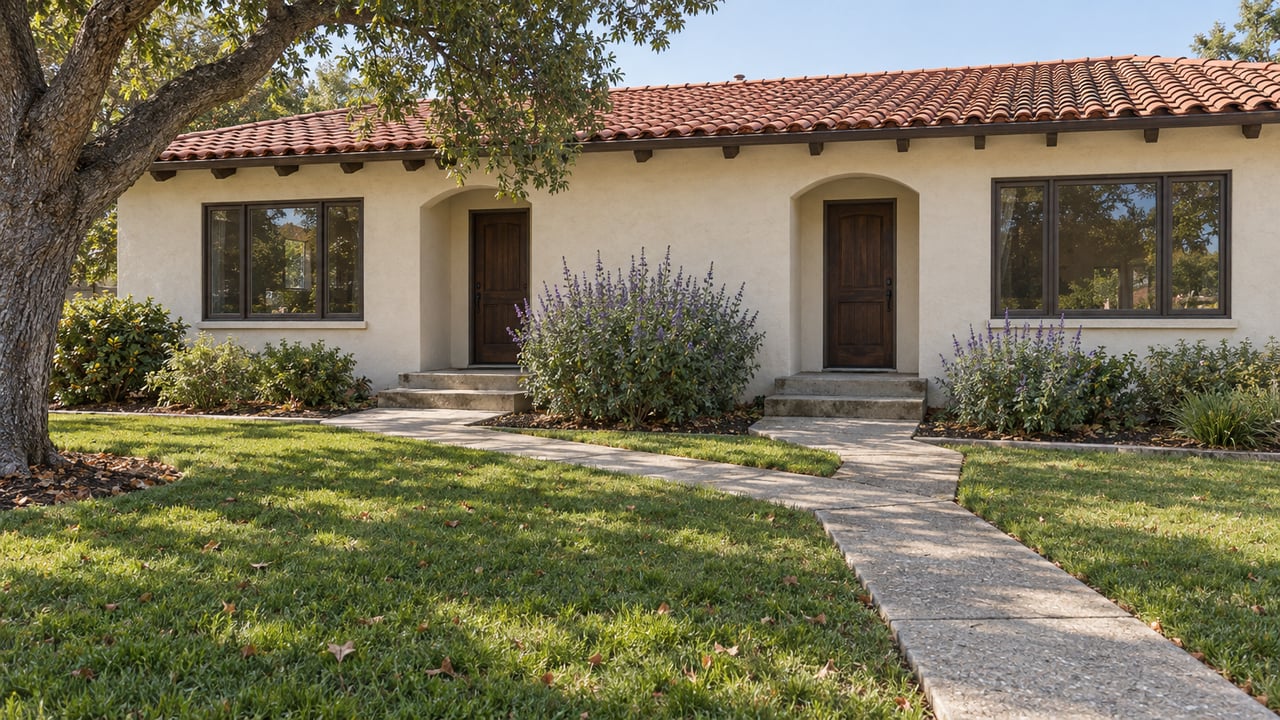
- North and central blocks: Streets like Linwood, Mayflower, Walnut, and Royal Oaks feature gated townhomes and smaller courts with garage parking.
Prioritize Old Town or Station Square if walkability matters most. If you want quick trailheads and foothill access, lean north.
Building types and amenities
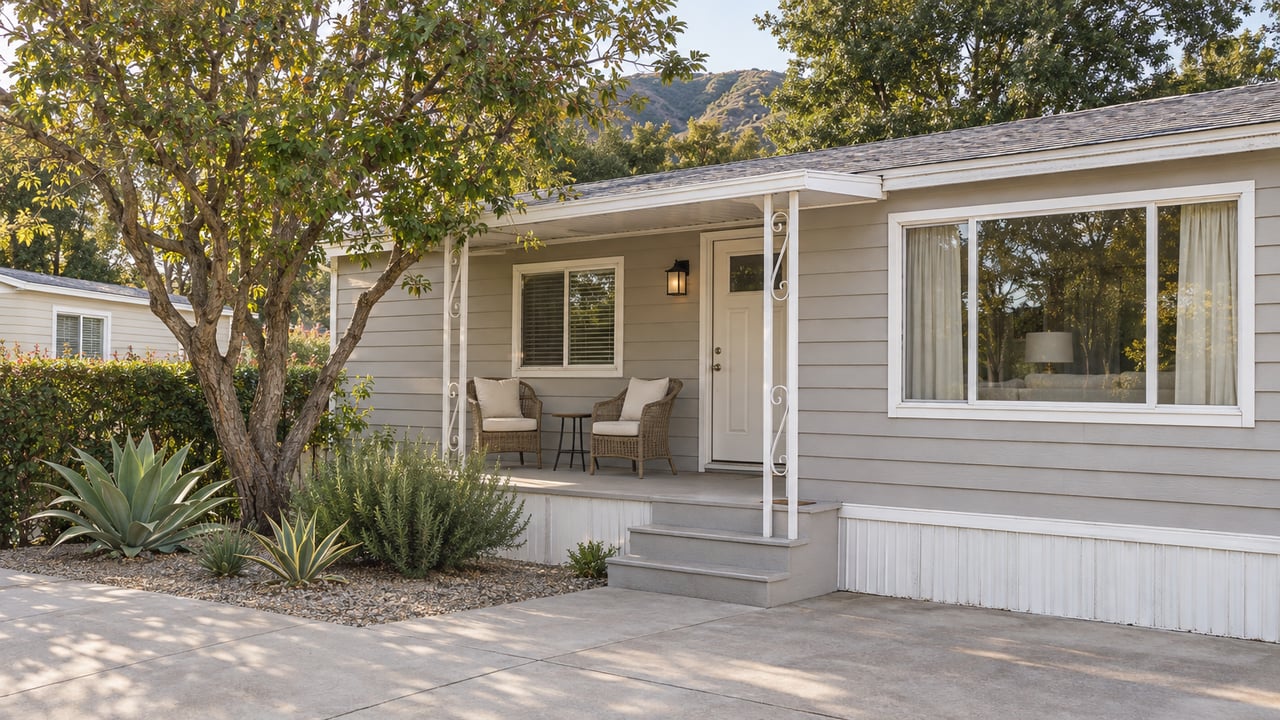
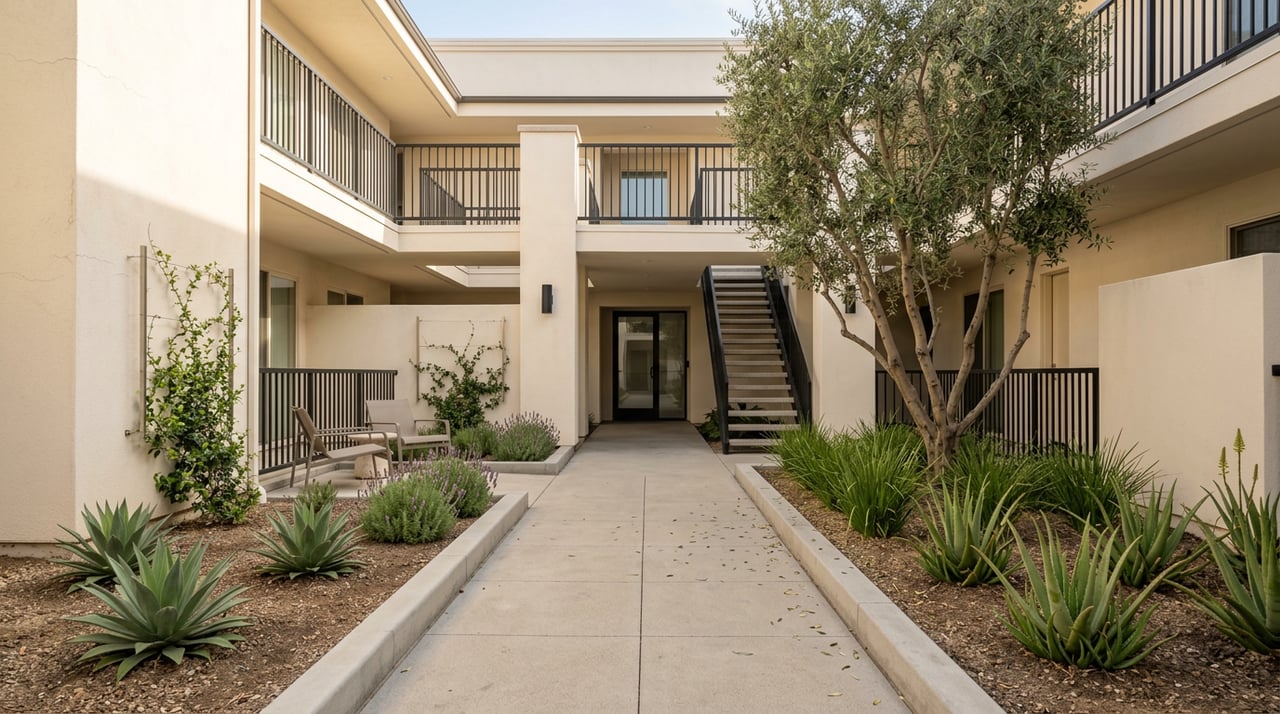
Monrovia’s condo stock is a mix of small condo courts, gated townhome communities with attached garages, and a few mid-rise clusters. Many buildings date from the 1970s to 1990s, with some 2000s infill near Old Town. You’ll often see in-unit laundry, assigned or garage parking, gated entries, and shared courtyards or pools. For a feel of a local complex type, browse the Canyon Park Townhomes profile.
Features that can affect your monthly costs and future resale include parking type, private garage access, HVAC and windows, and whether the HOA covers any utilities. Larger complexes with pools or gyms can carry higher dues but may broaden buyer appeal later.
HOA fees and what they cover
Most Monrovia condo HOAs land somewhere around 200 to 450 dollars per month, based on a range seen in recent local listings. Dues typically cover exterior and common-area maintenance, landscaping, shared amenities, and parts of the building’s insurance via a master policy. You’ll usually carry your own HO-6 policy for interior finishes and personal property. Always request the HOA’s insurance summary so you know exactly what is and isn’t covered.
Financing checks that matter
Condo loans involve a project-level review, not just your personal approval. Plan for these checks early.
- FHA: Not all condo projects are FHA approved. Confirm a building’s status on HUD’s FHA condo lookup. If the project isn’t approved, ask your lender about single-unit approval options.
- VA: VA loans also require project approval. Your lender can check the project’s status; verify early in your search.
- Conventional (Fannie Mae/Freddie Mac): Lenders review project health, including reserves, litigation, investor concentration, assessment delinquencies, and commercial space. See Freddie Mac’s Condo Project Advisor FAQ for the kinds of items lenders evaluate.
If a project is not “warrantable,” you may need a different loan type, a larger down payment, or a different building. Ask your lender to flag project eligibility up front to avoid surprises.
Due diligence and red flags
Your offer should include time to inspect the unit and review HOA health. Order a general home inspection plus a pest/termite inspection. For older buildings or when HOA minutes mention roof, balcony, or structural issues, consider expanding scope; this overview on inspection standards provides context for what inspectors cover and what might require a specialist (what inspectors look for).
On the HOA side, California’s Davis-Stirling Act sets the framework for what associations must report and disclose. You can review legislative background on the Davis-Stirling recodification. Before removing contingencies, request and read:
- CC&Rs, bylaws, rules, and amendments
- Current budget and financials
- Reserve study and funding disclosures
- Meeting minutes for the past 12 to 24 months
- Insurance summary and master policy declarations
- Notices of pending litigation or special assessments
For a practical overview of HOA disclosures and reserves, see this M-100 reference packet on reserves and disclosures. Red flags include very low reserves, frequent special assessments, delinquency rates above typical lender thresholds, and active litigation involving common areas. Any of these can slow or block financing and weigh on resale.
Resale drivers in Monrovia
Location and project health do the heavy lifting on resale. Condos near Old Town, Station Square, or major corridors like the 210 often see stronger demand thanks to walkability and commute options. Access to parks, trails, and foothills also helps. Associations with stable reserves, consistent maintenance, and clear rules tend to draw a wider buyer pool. Explore the city’s snapshot of Old Town events and community life to get a sense of which blocks stay most active.
First-time buyer checklist
Use this quick path to a confident offer:
- Get pre-approved and tell your lender you are targeting condos. Ask them to screen project eligibility early.
- If you plan FHA, run the address through the FHA condo lookup before you fall in love.
- Request the HOA packet right away: budget, reserves, insurance, minutes, and rules. If anything is unclear, ask your agent to walk you through it and consider an HOA attorney for complex items.
- Order a general inspection plus pest/termite. Expand scope if the building is older or minutes show roof, waterproofing, or balcony concerns.
- Confirm parking and storage in writing. Know whether spaces are deeded, assigned, or first come, and note any rental restrictions.
- Budget your full monthly: mortgage, HOA dues, property taxes, insurance, and a maintenance cushion.
Budgeting your monthly payment
Your monthly number is more than just principal and interest. Add HOA dues, property taxes, homeowner’s insurance, and your HO-6 policy. If the HOA covers some utilities, adjust your estimate down. If you are choosing between two buildings, compare HOA coverage, insurance requirements, and likely future reserves so you are not surprised by special assessments later.
Ready to start?
If you want a walkable Old Town address, easy transit near Station Square, or a quiet foothill townhome, you have good options in Monrovia. With the right prep on project eligibility, HOA health, and inspections, your first condo can be a smart, low-stress move. When you are ready to tour and compare buildings, reach out to Mel Macklin Realtor for local guidance, vetted lender referrals, and a step-by-step plan.
FAQs
Are Monrovia condo HOA fees high compared to homes?
- Many Monrovia condo HOAs fall around 200 to 450 dollars per month, which replaces some ownership costs you would carry alone in a detached home, like exterior maintenance and parts of the building’s insurance.
How do I check if a Monrovia condo is FHA approved?
- Search the building on HUD’s official FHA condo lookup. If it is not listed, ask your lender about single-unit approval and whether it fits your situation.
What inspections do I need for a condo purchase?
- Order a general home inspection and a pest/termite inspection. Expand scope if the HOA minutes or seller disclosures mention roof, balconies, waterproofing, or structural issues; see this overview of inspection scopes.
Which Monrovia areas are most walkable for condos?
- Old Town around Myrtle Avenue and Library Park offers a strong walkable core with year-round programming; browse the city’s Old Town events and updates for a feel of the neighborhood.
What HOA documents should I review before removing contingencies?
- Review CC&Rs, bylaws, rules, the current budget and financials, reserve study, insurance summary, and recent meeting minutes. This M-100 packet summarizes reserves and HOA disclosures.
What does “warrantable” mean for a condo loan?
- It refers to a project meeting agency standards for financing. Lenders check factors like reserves, litigation, and investor concentration. See Freddie Mac’s project review FAQ for common eligibility items.