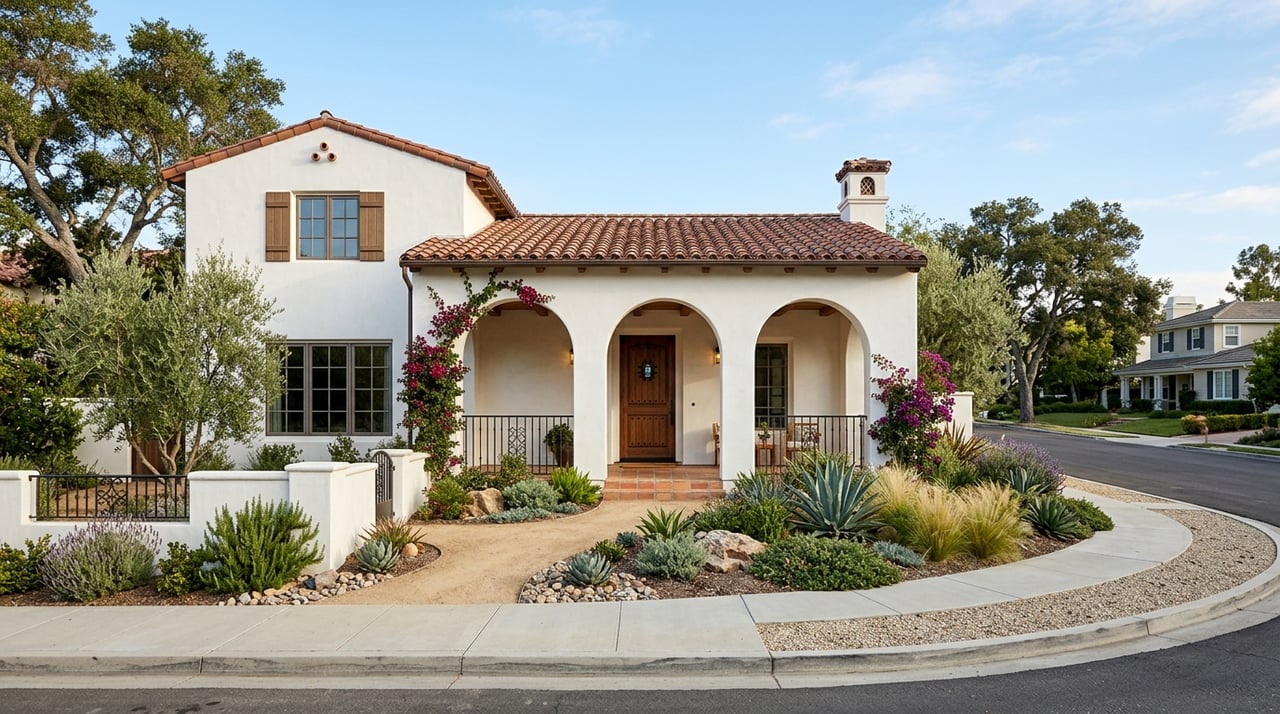
Wondering how one small city can feel so different from block to block? In Monrovia, that shift is part of the appeal. If you are trying to decide where you might want to live, buy, or sell, understanding the city’s neighborhood styles can help you picture your day-to-day life more clearly. Let’s dive in.
How Monrovia Breaks Into Distinct Areas
Monrovia has a strong sense of place because its historic homes, downtown core, and foothill setting all work together. The city describes itself as settled at the foothills of the San Gabriel Mountains, with Old Town as the community’s heart. That gives Monrovia a layout that feels easy to read once you know what to look for.
A useful way to think about the city is in three broad bands: south of Huntington Drive, between Huntington Drive and Foothill Boulevard, and north of Foothill Boulevard. This is not an official neighborhood map, but it matches a practical local shorthand the city uses for street sweeping. For buyers and sellers, it is a simple way to understand how Monrovia changes from downtown-adjacent blocks to more foothill-oriented streets.
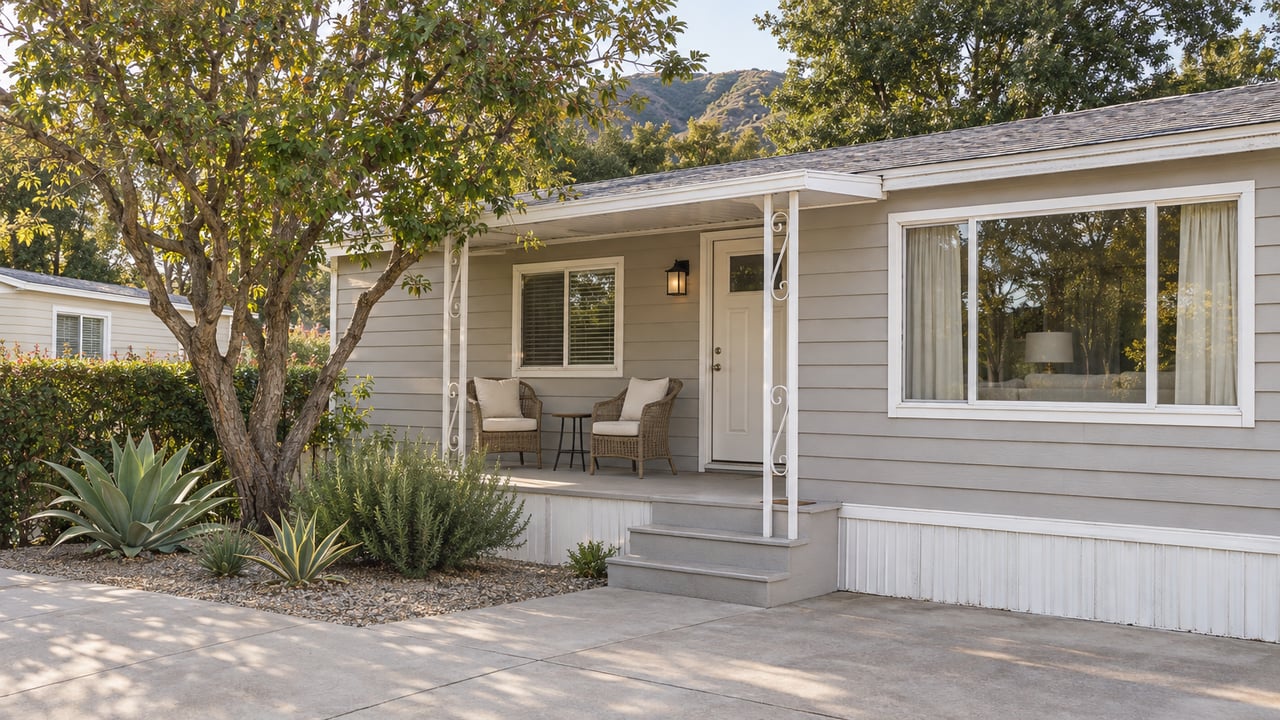
Monrovia also stands out for its architectural depth. As of January 1, 2024, the city reports 164 historically significant properties, two historic districts, and more than 150 landmarked homes. That mix includes Victorian, Craftsman, Ranch, and Mid-Century homes, along with later infill and newer transit-oriented development.
Old Town Monrovia Style
Old Town is the most obvious lifestyle center in Monrovia. The city describes it as the heart of the community, with boutique shops, dining, entertainment, and community events. If you want a neighborhood feel that puts you close to activity, this is the pocket most people picture first.
What sets Old Town apart is how much public life happens there year-round. The city promotes its Friday Night Street Fair & Market with produce, flowers, treats, and live music. Library Park adds another layer with its bandshell, open lawn, playground equipment, free parking, and recurring performances.
In practical terms, Old Town tends to suit people who like having things to do close by. You may be able to build more of your routine around walking to downtown destinations, community events, and public spaces. That creates a more social, event-driven feel than many nearby residential blocks.
What Daily Life Feels Like in Old Town
Old Town blends errands, dining, and community events in one compact area. It is the part of Monrovia where spending time outside often means being part of the downtown scene. If you enjoy a neighborhood with visible public energy, this area has the strongest version of that.
Parking is still part of the experience, but it is more managed here than in quieter residential areas. The city’s Old Town parking map shows lots, structures, and street parking with varying time limits. That supports a walkable downtown environment, while also reminding you that busy evenings and event days may take a little planning.
Station Square Style
Station Square sits next to Old Town but has a different feel. The city describes Station Square Transit Village as an 80-acre planning area shaped by higher-density housing around the rail station. With the station opening in 2016 and major city investment in the transit plaza, promenade, Station Square Park, and road improvements, this pocket feels more urban than most of Monrovia.
The city also notes that more than 1,000 housing units are planned within a two-block radius. That helps explain why this area stands apart from Monrovia’s older residential fabric. If Old Town feels historic and civic, Station Square feels newer and more transit-centered.
Why Station Square Appeals to Some Buyers
For buyers who value access and convenience, Station Square is worth a close look. Metro’s A Line runs from Pomona to Long Beach, and Foothill Transit routes including Lines 270, 187, and 861 serve Monrovia, with Old Town and Station Square listed among key destinations. That makes this area the strongest fit for people who want Monrovia living with the easiest transit connection.
This pocket may also appeal to buyers who prefer condos or higher-density housing options over older detached homes. It offers a different version of Monrovia life, one built around rail access, newer development patterns, and close proximity to downtown activity.
Foothill Monrovia Style
North of Foothill Boulevard, Monrovia starts to feel more tied to its hillside setting. This is the city’s most outdoors-facing area, and it also includes some of its oldest residential character. If you picture Monrovia as a foothill community first, this is likely the part of town that matches that image.
The North Encinitas Historic District helps tell that story. The city identifies it as the first neighborhood north of Foothill Boulevard, with early development in the 100 and 200 blocks and a concentration of modest-scale homes from the early 1900s. Styles in the district include Victorian-era and Craftsman-era homes, plus Colonial Revival Bungalow, Queen Anne, Minimal Traditional, and some Ranch homes.
That matters because the foothill edge is not just about views or larger lots. It also has real architectural variety and a long-established feel. For buyers who appreciate older homes and a quieter foothill setting, this area often stands out.
Outdoor Access Shapes the Foothill Feel
This part of Monrovia is especially connected to open space. The Hillside Wilderness Preserve offers more than 4.5 miles of trails, four access points, and daily hours from 6 a.m. to 9 p.m. Monrovia Canyon Park adds another layer as one of the city’s signature nature destinations.
That access shapes everyday life. You may find the rhythm here leans more toward walks, trail time, and a little more breathing room, rather than a quick stroll to downtown dining. It is a different lifestyle choice, and for many buyers, that is exactly the draw.
Commute Tradeoffs Near the Foothills
The foothill side still connects well to the wider region through the I-210 corridor, which a city transportation study identifies as Monrovia’s primary regional access route. For some buyers, that means a practical tradeoff: a little more driving in exchange for hillside character, open-space access, and a more tucked-away feel.
That does not make one area better than another. It simply means your best fit depends on whether you care most about walkability, transit, recreation, or architectural character.
Interior Monrovia Style
Between the foothills and the downtown core, Monrovia’s interior neighborhoods offer some of the city’s most balanced living. These areas are less defined by one headline feature and more defined by versatility. If you want classic Monrovia without being centered in either Old Town or the foothill edge, this is often where that feeling shows up.
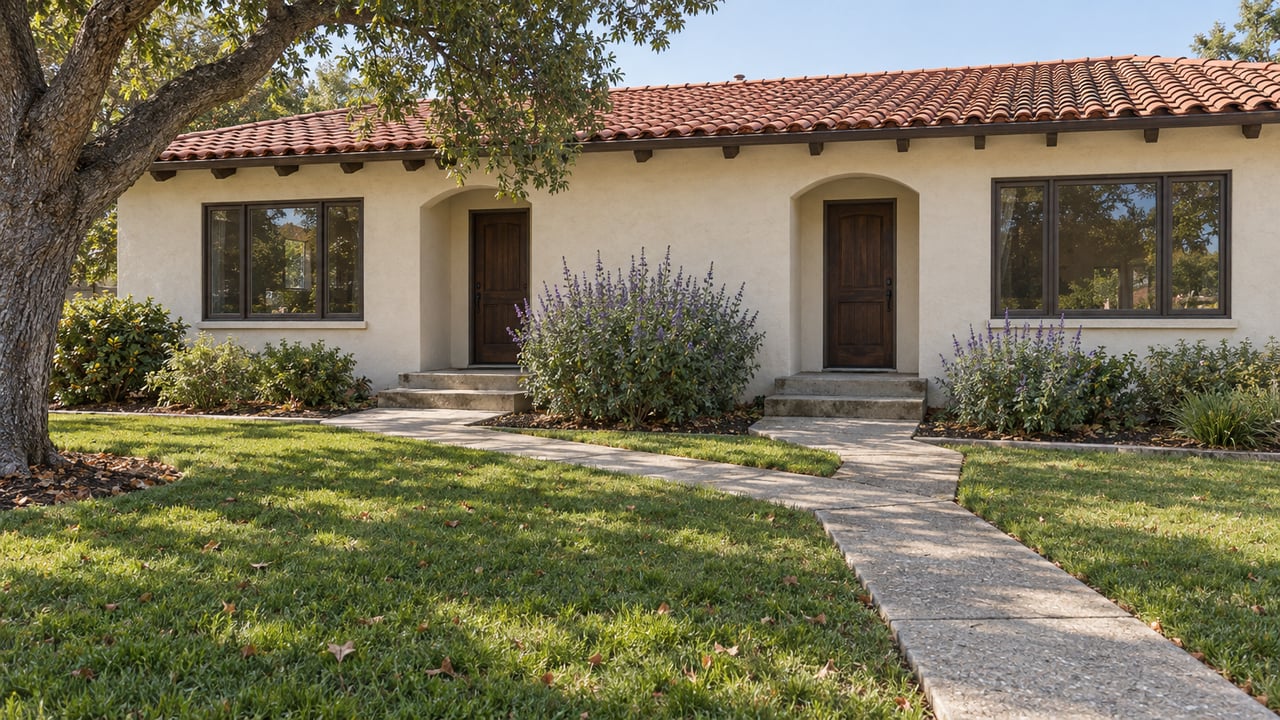
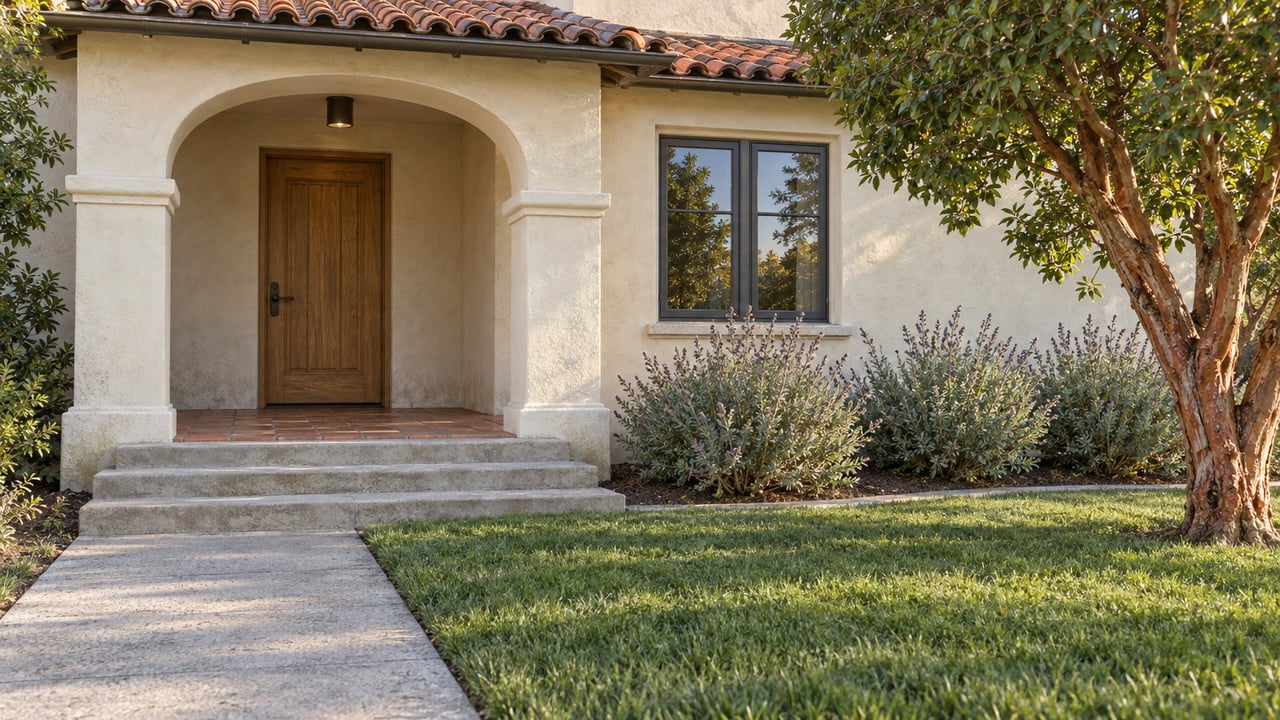
The city’s housing resources point to a wide mix of historic home styles, including Victorian, Craftsman, Ranch, and Mid-Century homes. City materials also highlight concentrations of Craftsman, Victorian, and Spanish-style homes built in the first quarter of the 20th century. That creates neighborhoods where the streetscape can shift noticeably from block to block.
Why the Interior Feels So Balanced
These middle-band neighborhoods are often the easiest place to picture everyday routines. You are not necessarily choosing between downtown energy and foothill access. Instead, you are often getting a little of both, along with established residential streets and a broad range of housing styles.
Park access supports that all-purpose feel. The city’s Park Master Plan says 58% of residents live within a half-mile of a park, and it identifies Canyon Park, Recreation Park, and Library Park as some of the most active parks in community use. Recreation Park includes baseball, soccer, tennis, basketball, volleyball, restrooms, and an ADA-approved playground, while Library Park serves more as a civic green space with a bandshell and open lawn.
For many buyers, this part of Monrovia feels the most flexible. It offers older homes, park access, and relatively easy trips toward either downtown or the foothill side. That makes it a strong match if you are still refining what kind of lifestyle you want.
Comparing Monrovia Neighborhood Styles
If you are trying to narrow your search, it helps to think less about labels and more about daily patterns. Where will you spend your weekends? How often do you want to drive? Do you picture yourself near trails, downtown events, or quieter established streets?
Here is a simple way to compare Monrovia’s main neighborhood styles:
| Area | Best Known For | General Feel |
|---|---|---|
| Old Town | Shops, dining, events, Library Park | Walkable, social, active |
| Station Square | Rail access, newer housing, transit village planning | Urban, connected, convenient |
| North of Foothill | Historic homes, trail access, foothill setting | Outdoors-oriented, established, varied |
| Interior Monrovia | Mixed architecture, parks, central access | Balanced, residential, flexible |
What This Means for Buyers and Sellers
For buyers, Monrovia offers more range than you might expect in one city. You can focus on a walkable downtown routine, a transit-friendly setup, a foothill setting near trails, or established interior blocks with a little bit of everything. Knowing these differences early can help you search with more confidence.
For sellers, neighborhood style shapes how your home should be presented and marketed. A home near Old Town may draw attention for walkability and event access, while a foothill property may stand out for architectural character and proximity to open space. In a city with this much variety, clear neighborhood positioning matters.
That is where local guidance can make a real difference. When you understand how buyers tend to read each pocket of Monrovia, you can price, prepare, and market a home more strategically, or narrow your search more efficiently if you are buying.
If you want help matching your goals to the right part of Monrovia, or you want a smart plan for selling in a neighborhood with its own identity, Mel Macklin Realtor can help you make sense of the options with local insight and a personalized approach.
FAQs
What is the most walkable part of Monrovia?
- Old Town and Station Square are generally the most walkable parts of Monrovia because they combine downtown destinations, public events, parking resources, rail access, and bus service.
What is the most outdoors-oriented area of Monrovia?
- The area north of Foothill Boulevard is the most outdoors-oriented part of Monrovia because it is closest to the Hillside Wilderness Preserve and Monrovia Canyon Park.
What kinds of home styles are common in Monrovia?
- Monrovia includes a wide mix of housing styles, including Victorian, Craftsman, Ranch, Mid-Century, Spanish-style, Queen Anne, Colonial Revival Bungalow, and Minimal Traditional homes.
Is Station Square different from Old Town Monrovia?
- Yes. Station Square is Old Town-adjacent but has a more transit-centered and higher-density feel, while Old Town is more focused on historic downtown activity, dining, shops, and community events.
What is interior Monrovia known for?
- Interior Monrovia is known for its mix of home styles, established residential streets, park access, and convenient location between the downtown core and the foothill edge.