Selling in Monrovia starts online. The first few seconds a buyer spends on your photos can make or break a showing. If you want stronger offers and fewer days on market, a staging-first plan gives your home a polished debut that matches how buyers actually shop today. In this guide, you’ll see how a Monrovia-specific staging plan works, where it pays off, and how to time it for a smooth launch. Let’s dive in.
Why stage-first in Monrovia
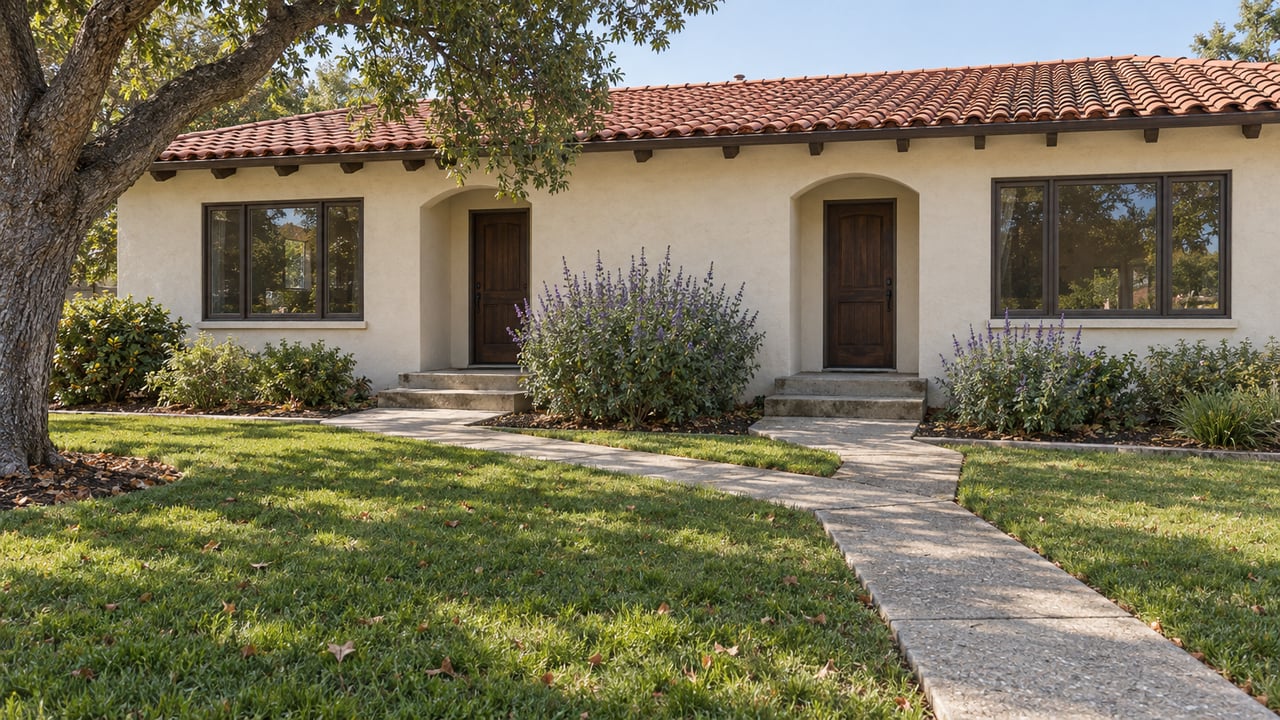
Monrovia buyers love character and livability. Many homes here are Craftsman, bungalows, Spanish Revival, and mid-century, with newer tract homes and condos mixed in. Thoughtful staging respects the architecture while highlighting comfortable layouts and outdoor living.
You also have a range of buyers: families focused on Monrovia Unified School District, professionals commuting toward Pasadena or Los Angeles, and downsizers who value walkability near Old Town. Staging helps each group visualize daily life, from a kid-friendly flex room to a quiet office for remote work to a welcoming patio for evenings after the farmers market.
When it fits best
- Historic homes with small rooms or dated finishes that need a light, respectful touch.
- Vacant properties where empty rooms feel smaller and colder in photos.
- Listings targeting lifestyle buyers, like families or commuters, who respond to visual cues.
- Competitive price ranges where multiple similar homes are on the market and you need to stand out.
When to skip or scale
- If staging costs likely exceed the potential market uplift for a lower-priced or heavily distressed home.
- If you need a quick net-cash sale regardless of price or timeline.
- If HOA rules restrict certain staging elements or signage. Verify HOA rules upfront.
Your step-by-step plan
A staging-first listing means you prepare, stage, and photograph before the home goes public. Everything launches show-ready on day one.
Pre-staging assessment
- Walkthrough and objective audit to flag repairs, safety items, odors, and clutter. Prioritize what affects appraisals or safety.
- Define the target buyer profile: young families, downsizers, or commuters.
- Choose staging type: partial (key rooms), full-home, virtual for select spaces, or a hybrid.
Timeline at a glance
- Days 0–3: Walkthrough, recommendations, and a prioritized list for repairs, deep cleaning, and decluttering.
- Days 4–14: Small repairs, paint touch-ups, professional cleaning; schedule staging delivery.
- Days 15–18: Staging installation, professional photography, floor plan, and virtual tour capture.
- Day 19: Listing goes live with staged visuals and open houses on the calendar.
Actual timing may adjust based on vendor availability and scope of repairs.
Staging type guide
- Occupied homes: De-clutter, depersonalize, and reconfigure existing furniture to improve flow.
- Vacant homes: Physically stage main rooms so photos convey scale, warmth, and function.
- Virtual staging: Use for photos when physical staging is impractical. Clearly disclose digitally staged images.
- Hybrid: Physically style key rooms and virtually stage secondary areas.
Room-by-room priorities
A Monrovia-focused plan highlights character, flow, and outdoor living.
Curb and entry
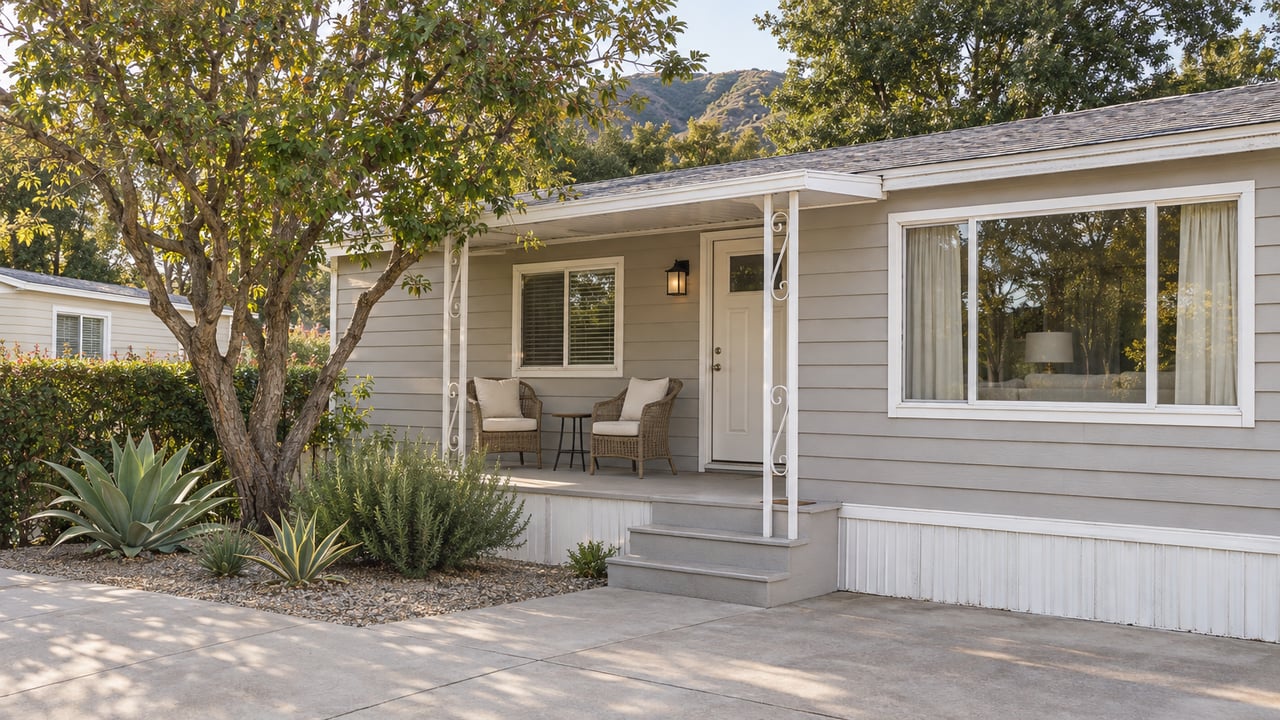
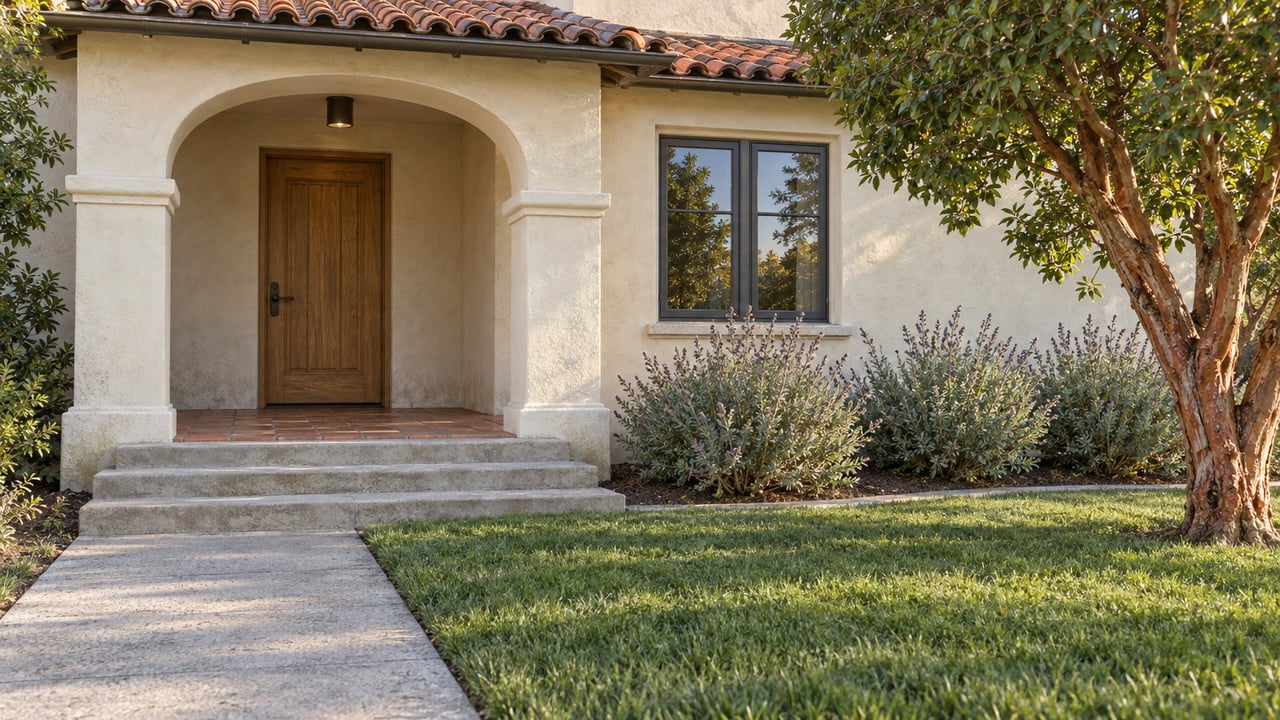
Fresh door paint, trimmed landscaping, and potted plants make the first impression. Keep paths clear and welcoming, especially near walkable Old Town streets.
Living room
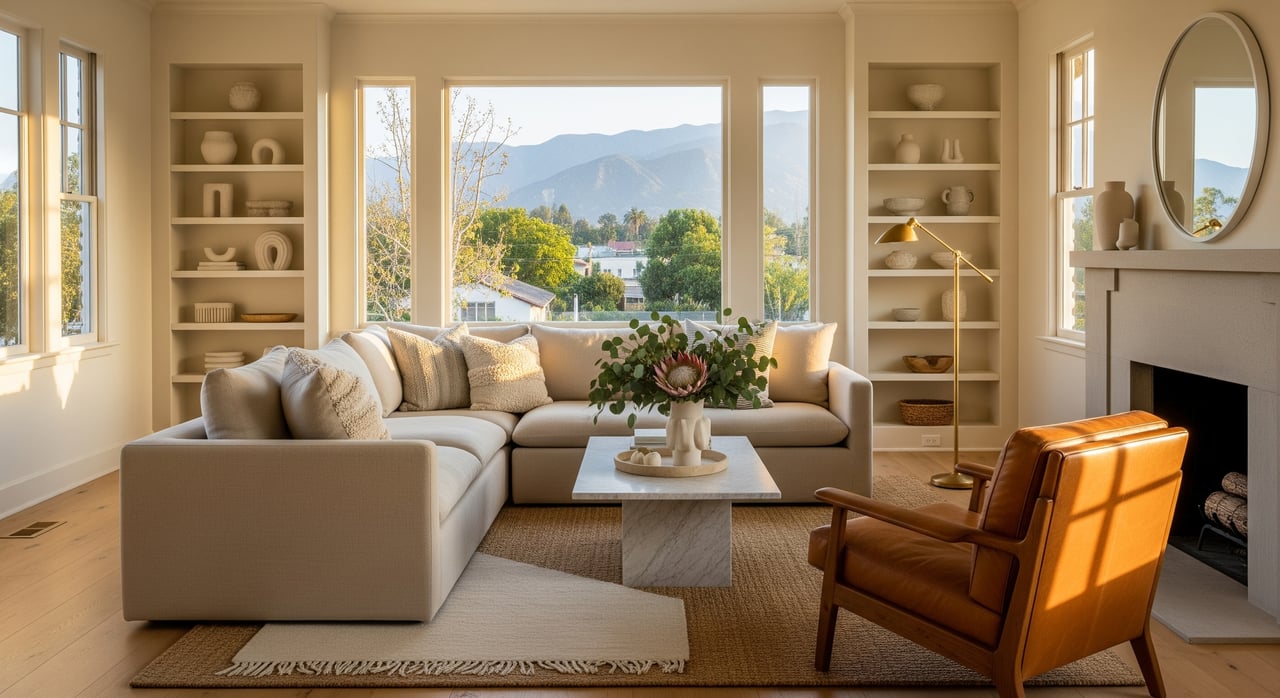
Show conversation flow and scale with right-sized seating. Use neutral textiles to let original details like a mantel or windows shine.
Kitchen
Clear counters, store small appliances, and add simple accents like towels or fruit for photos. If cabinets are older, lean into spotless surfaces and practical layout instead of costly remodels.
Dining area
Set a simple table to suggest gatherings. In smaller homes, coordinate living-dining staging to show versatility.
Primary bedroom
Neutral bedding, minimal personal items, and clear sightlines. If storage is a selling point, organize the closet for showings.
Secondary rooms and office
Stage for your target buyer: a kid’s room for family buyers or a calm office for commuters and remote workers.
Baths
Clean grout, update shower curtains and towels, and swap dated hardware if it is a low-cost refresh. Keep counters clear.
Outdoors and patio
Create a seating vignette to promote indoor-outdoor flow, especially with mountain or canyon proximity. Show how the yard works for relaxing, dining, or play.
Garage and storage
Tidy and edit the contents so buyers see storage potential.
Photos and marketing
- Photograph after staging is fully installed. Capture interiors, exteriors, and lifestyle shots that nod to Old Town and local parks.
- Include floor plans and accurate room dimensions so buyers can validate fit.
- Add a virtual tour or 3D walkthrough to increase time-on-listing and help remote buyers.
- Use a “show-ready” checklist before every open house to keep the look consistent.
Vendors and logistics
- Work with experienced or RESA-certified stagers who know San Gabriel Valley styles.
- Expect a contract that outlines initial placement, monthly rental, delivery/pickup, and insurance details.
- Confirm the stager’s insurance and clarify liability for any damage.
- Know what the stager supplies (furniture, rugs, lamps, art) and what you provide (like plants or small decor).
- If in an HOA, confirm rules for signage, staging in common areas, and storage.
Legal and disclosure
- Staging is allowed. If any photos are virtually staged, clearly disclose that they are digitally altered.
- If furniture or items are included in the sale, note it in the listing and purchase agreement.
- Address required safety items like smoke and CO detectors and any obvious safety issues before listing.
Budget and ROI
Every plan has a budget. Your goal is to invest where it increases perceived value and shortens days on market.
Typical cost components include:
- Initial setup and styling fee
- Monthly furniture rental until removal
- Professional photography and virtual tour
- Minor repairs, paint touch-ups, cleaning, landscaping
To estimate return, use a simple framework:
- Estimate A = additional net sale price you expect staging to create, based on local comps.
- Estimate B = total staging costs, including rentals and photography.
- Estimate C = carrying costs saved by selling faster, like mortgage, taxes, insurance, and utilities.
- Net staging benefit ≈ (A + C) – B. If positive, staging-first is justified.
How we track results
- Photo click-through and save rates on the MLS and portals.
- Weekly showings and buyer-agent feedback about flow, light, and livability.
- Days on market versus nearby comps.
- Final sale price versus list price and similar homes.
Next steps
If you are planning to list, a brief in-home staging assessment can pinpoint the highest-impact updates for your home style, from Craftsman to Spanish Revival to mid-century. We will map a clear timeline, coordinate vendors, and share a localized ROI estimate based on real Monrovia comps and projected days on market. When your home launches, it will show like the lifestyle buyers came to see.
Ready to start with a personalized staging-first game plan? Connect with Mel Macklin Realtor. Let’s connect.
FAQs
Will staging pay for itself in Monrovia?
- Often yes when it solves photo appeal issues or clarifies layout, but test the math using local comps and potential carrying-cost savings for your specific property.
How long do I keep rental furniture in place?
- Keep staging through active marketing and until you are firmly pending; confirm monthly billing and pickup timing with your stager in the contract.
Can we stage my home in about a week?
- Sometimes, if vendors are available and you prioritize main living areas and photos first; smaller staging scopes can compress timelines.
Is virtual staging acceptable for my listing photos?
- Yes, if clearly disclosed; it works best when physical staging is not practical or as a supplement for secondary rooms.
Do I need to remove personal collections and hobby items?
- Yes, depersonalizing helps buyers picture themselves in the home and keeps photos clean and focused on the rooms.