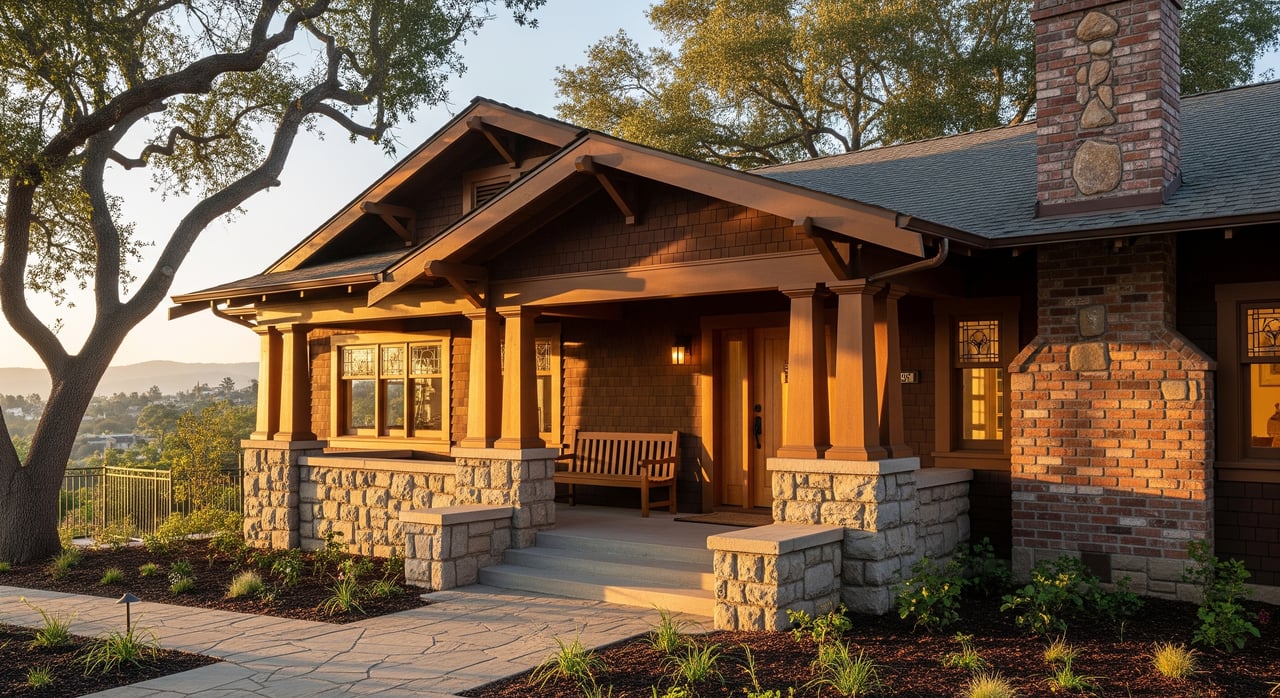
Love the idea of a deep front porch, warm wood built-ins, and the timeless look of exposed rafters? If you’re drawn to Pasadena’s Craftsman and other early 1900s character homes, you’re in good company. These homes offer beauty, history, and walkable neighborhoods, but they also come with unique details that matter when you buy. In this guide, you’ll learn how to spot authentic features, what inspections to order, how permits and preservation rules work, and what drives value in Pasadena’s market. Let’s dive in.
What makes a Pasadena Craftsman
Exterior cues to recognize
Pasadena’s Craftsman and bungalow homes, built mostly from 1900 to the 1930s, share hallmark features. Look for low-pitched gable roofs with wide overhangs, exposed rafters, and decorative knee braces. A broad front porch with tapered columns on substantial piers is common. You’ll often see wood siding or shingles, and in some cases stone, brick, or clinker brick accents.
If you want to understand high-style examples, explore resources from Pasadena Heritage and the Gamble House. These organizations offer context for the American Arts & Crafts movement that shaped so much of Pasadena’s architecture.
Interior hallmarks buyers love
Inside, you’ll often find original hardwood floors, thick trim, and built-ins like bookcases and sideboards. Many homes feature plaster walls, craftsman-style moldings and hardware, and a masonry fireplace as the visual anchor. Higher-end homes might include leaded or stained glass.
These authentic details can support value if they are intact and well cared for. Prior updates that removed built-ins or replaced period finishes can reduce appeal.
Typical building systems to expect
Most homes from this era were wood framed on either early concrete or raised pier-and-beam foundations. You may see original knob-and-tube or cloth wiring, galvanized steel supply lines, and cast-iron waste lines. Many homes were built without wall insulation or central air, and HVAC was added later.
Because many components are now a century old, plan for system upgrades. You may also encounter lead-based paint and, in some past updates, asbestos-containing materials. Proper testing and abatement are important before any renovation.
Where you’ll find them in Pasadena
Signature neighborhoods
You can find strong concentrations of Craftsman and bungalow homes in Bungalow Heaven, areas near Old Pasadena, and parts of Northwest Pasadena. Edges that meet Altadena and South Pasadena also show notable inventories. Historic-district status can influence what changes are allowed and can sometimes support value due to neighborhood stability.
Nearby alternatives to compare
If you’re open to nearby options, South Pasadena and Altadena offer similar character and a deep stock of early 20th-century homes. Glendale, Eagle Rock, Highland Park, Echo Park, and Los Feliz also have Craftsman-era housing, though pricing and inventory vary by neighborhood and access to job centers and transit. San Marino trends toward larger estates rather than small bungalows.
What to inspect before you buy
Common red flags in older homes
Expect to evaluate wood rot at porches and eaves, termite activity, and any signs of foundation movement like uneven floors. Older electrical systems may be unsafe or undersized. Galvanized plumbing can corrode and restrict flow. Historic windows are often single pane and drafty, and chimneys can show cracking or loose mortar. Inadequate insulation and outdated HVAC can affect comfort and efficiency.
Smart inspections to schedule
Plan a comprehensive home inspection and add specialists based on findings:
- Structural engineer if you see significant cracks, sloping floors, or plan a major remodel or second story.
- Licensed pest inspection for termites and other wood-destroying organisms.
- Electrician for full-system evaluation if you suspect knob-and-tube, cloth wiring, aluminum wiring, or an undersized panel.
- Plumber to assess supply and sewer lines, especially galvanized or cast iron. A sewer scope can be invaluable.
- HVAC contractor to evaluate capacity, ducting, and safety.
- Lead and asbestos testing before any demolition or sanding.
- Historic consultant or architect when working within a historic district or weighing incentive eligibility.
The National Park Service Preservation Briefs explain best practices for repairs and upgrades, including windows, roofs, and energy efficiency. These are helpful when you want to preserve character while improving performance.
Permits and historic review in Pasadena
Pasadena has local historic-preservation policies. Exterior changes to designated resources or homes in historic districts often require design review and permits. Always review permit history and check for recorded restrictions or covenants. The City’s Historic Preservation page outlines processes and contacts. The California Historical Building Code can offer alternative compliance paths for historic structures, which your architect or consultant can help navigate.
Insurance, loans, and costs to plan for
Insurance basics for older homes
Older homes can be more expensive to insure or may face exclusions if major systems are outdated. Insurers typically ask about roof age, wiring type, plumbing materials, and claims history. Start insurance quotes early so you understand coverage options and costs before you write an offer. For background on underwriting in California, visit the Department of Insurance.
Renovation-friendly loan options
Conventional, FHA, and VA loans are common, but lenders require basic safety and habitability. If you plan updates, ask about rehab-friendly mortgages:
- FHA 203(k) lets you finance renovations within one loan. Learn program basics at HUD’s FHA 203(k) page.
- HomeStyle Renovation is a conventional option. Discuss eligibility and required documentation with your lender.
Lenders may require certain health and safety repairs before closing, like addressing unsafe wiring or roof leaks. Historic designation does not block lending, but preservation covenants can affect underwriting. Confirm requirements early so your timeline and budget are realistic.
What drives value in Pasadena’s character homes
Premium features buyers pay for
Buyers respond to intact original features, thoughtful restorations with documentation, and homes within recognized historic districts. Location near Old Pasadena, transit, and daily amenities can support demand. Lot size, overall square footage, and quality of upgrades also impact pricing.
For properties with historic designation, Mills Act contracts can reduce property taxes, which may lower carrying costs for qualified homes. Program availability and terms evolve, so confirm options with the City of Pasadena and the California Office of Historic Preservation.
When updates help vs. hurt
Sensitive updates that keep original woodwork, windows, and built-ins often hold value. Replacing windows without understanding historic profiles can harm both appearance and price. If energy performance is a concern, consider weatherstripping, attic insulation, and HVAC upgrades before replacing historic fabric. The NPS resources above provide tested approaches that respect the home and your budget.
Step-by-step buyer checklist
- Get pre-approved and confirm whether your loan allows renovation costs if needed.
- Order a full home inspection and line up specialists early. Target pest, electrical, plumbing, HVAC, and structural reviews as indicated.
- Request documents from the seller: permit history, repair records, any historic surveys or designations, past appraisals, and disclosures.
- Check historic status and design-review requirements. Ask about incentives like the Mills Act and any recorded restrictions.
- Obtain insurance quotes based on roof age, wiring type, plumbing materials, and known conditions.
- Budget upgrades you may need soon after closing. Common big-ticket items include rewiring, foundation bracing, roof work, sewer line repair, and HVAC.
- Plan your team if renovating. Choose a contractor and architect with historic-home experience. Confirm permits and timelines with the City.
- Track the market using local MLS data. For current trends and inventory, check updates from the Pasadena-Foothills Association of Realtors and your agent’s comparable sales analysis.
Planning respectful updates
Resources for preservation-minded remodeling
When you plan changes, align early with local policy and best practices. Start with City of Pasadena Historic Preservation staff for permit and design-review guidance. Pasadena Heritage shares education and case studies that can spark ideas. For technical how-tos on windows, roofs, and energy upgrades, the National Park Service Preservation Briefs are practical and clear.
Clear planning helps you avoid missteps like removing defining features or installing incompatible materials. The right approach preserves what makes the home special while improving comfort and function.
Buying a Craftsman or character home in Pasadena is both exciting and detailed. With the right inspections, a financing plan that fits your goals, and a team that understands historic housing, you can buy with confidence. If you’d like neighborhood-specific guidance or a second opinion on a listing, reach out to Mel Macklin Realtor. Let’s make your next move a smooth one.
FAQs
What defines a Pasadena Craftsman home?
- Look for low-pitched gable roofs with wide eaves, exposed rafters, a broad front porch with tapered columns, wood or shingle siding, and period interior details like built-ins and substantial trim, most often from 1900 to the 1930s.
Which inspections are most important for a 1910s Pasadena bungalow?
- Start with a full home inspection, then add pest, electrical, plumbing, HVAC, and a structural engineer if there are signs of movement or you plan major work. Test for lead and asbestos before renovation.
How do Pasadena historic districts affect remodeling?
- Exterior changes to designated properties or homes in historic districts often require design review and permits. Check guidelines with the City’s Historic Preservation staff before planning work.
Are older Pasadena homes harder to insure?
- They can be costlier or come with exclusions if systems are outdated. Insurers ask about roof age, wiring type, plumbing, and claims history. Get quotes early to confirm coverage and cost.
Which loans help finance renovations on a historic home?
- FHA 203(k) allows repairs within one mortgage, and some conventional loans offer renovation options. Lenders may require certain safety fixes before closing.
Should I replace single-pane original windows for efficiency?
- Not always. Weatherstripping, storm panels, insulation, and HVAC upgrades can improve comfort while preserving historic windows. Consult NPS guidance before replacing original fabric.