Owning a home in Pasadena means caring for it through two very different seasons: long, dry summers and a cooler, wetter stretch from late fall into spring. If you stay ahead of that cycle, you can reduce wear, improve comfort, and avoid a lot of last-minute stress when the first storm or heat wave hits. This seasonal checklist will help you focus on the right tasks at the right time, with Pasadena-specific guidance for rain, heat, and wildfire awareness. Let’s dive in.
Why Pasadena maintenance is seasonal
Pasadena’s climate shapes the way you should plan home upkeep. According to the City of Pasadena climate overview, the city has hot, dry summers, mild winters, and most of its rainfall between roughly November and March.
That pattern matters because your home faces different risks throughout the year. In the rainy season, water management becomes the priority. In spring and summer, cooling performance, dry vegetation, and smoke readiness move to the top of the list.
Late winter tasks for rain
Clean gutters and drains
After leaf drop and before major storms, clean out gutters, roof edges, and drains. Ready.gov flood guidance recommends clearing gutters and drains, and CAL FIRE home hardening guidance also stresses regular gutter cleaning.
This is one of the most useful maintenance habits in Pasadena. Clogged gutters can cause overflow during winter rains, and built-up debris can also create a fire risk later in the dry season.
Check water drainage
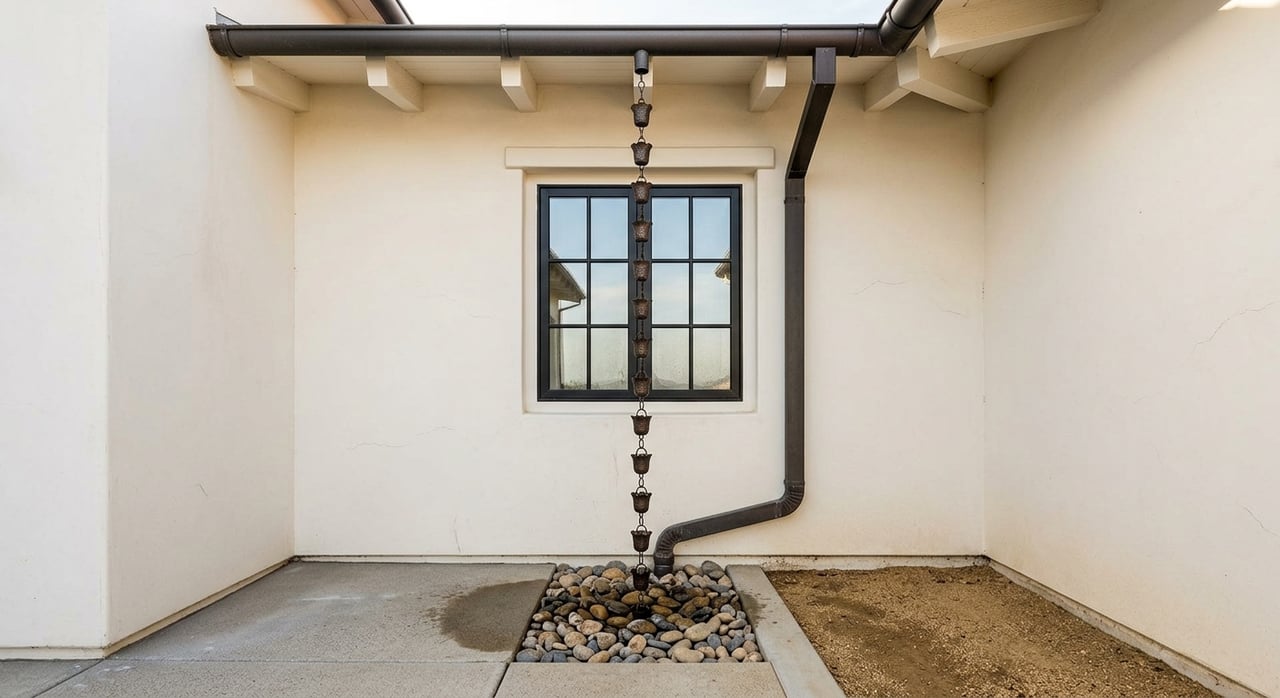
Walk around your home during or after a rain event and see where the water goes. FEMA guidance for homeowners says gutters and downspouts should move water away from the home.
If you notice pooling near the foundation, slow drainage, or runoff collecting near walkways, it is worth addressing early. Small drainage issues often become bigger repair items if they keep repeating through the season.
Inspect the roof after storms
After wind or rain, do a visual roof check from the ground if you can do so safely. Look for loose shingles, fallen debris, and gaps where the roof meets walls or attachments.
CAL FIRE’s home hardening recommendations note that roof surfaces and debris buildup can leave a home more vulnerable. In Pasadena, that makes roof inspections useful for both winter weather and wildfire preparation.
Spring tasks before summer
Service your cooling system
Spring is the right time to schedule HVAC maintenance before the hottest days arrive. ENERGY STAR recommends annual pre-season maintenance for cooling equipment, along with monthly filter checks and keeping indoor and outdoor units clear of dust, leaves, and debris.
If your home always seems warm in one room and cool in another, a tune-up is a smart first step. It can also help you spot larger efficiency problems before summer utility bills climb.
Refresh defensible space
Before the dry season, clear away dead leaves, pine needles, and dried plants around the home. CAL FIRE’s defensible space guidance recommends keeping the first 5 feet around the home as ember-resistant as possible and using noncombustible hardscape in that zone instead of combustible mulch or bark.
This is especially important in Pasadena because wildfire concerns are not limited to one small area. The city’s Fire Hazard Severity Zone page is a good place to check local context and planning information.
Pay attention to slopes and foothill lots
If your property is near the foothills or sits on or near a slope, landscaping needs extra attention. CAL FIRE explains that spacing between shrubs and trees should increase as slopes get steeper.
That does not mean every yard needs the same approach. It means your spring landscaping plan should match your lot’s conditions, especially if vegetation grows close to the home.
Summer tasks for heat and smoke
Get ready for smoky days
Summer in Pasadena can bring heat, dry conditions, and periods of poor air quality from wildfire smoke. The EPA’s wildfire and indoor air quality guidance recommends closing windows and doors, setting HVAC systems to recirculate or closing fresh-air intake if your system has that option, and using a portable air cleaner or a MERV 13 or better filter if your system can handle it.
The EPA also recommends keeping N95 masks on hand. Even if a fire is not directly threatening your home, smoke can still affect indoor comfort and air quality.
Watch for comfort problems
If your house still feels too hot after HVAC service, the next issue may be air leaks or insulation. ENERGY STAR notes that sealing air leaks and improving attic insulation can increase comfort and lower energy use.
This is one of the most practical home-upkeep upgrades to consider over time. It can help rooms feel more even, reduce strain on your cooling system, and support lower monthly costs.
Fall tasks before wind and rain
Repeat roof and gutter cleaning
Fall is the time to do another full pass on gutters, rooflines, and drainage areas before the first rains. CAL FIRE advises clearing debris from roofs, vents, eaves, decks, and areas near the house because those spots can collect material that increases both fire and moisture risk.
Think of this as your transition-to-winter checklist. A clean roofline and working drainage system can make a big difference when Pasadena shifts into wetter weather.
Clear the 0-to-5-foot zone
Take a close look at the area right next to your home. CAL FIRE identifies the 0-to-5-foot zone as the highest-priority ember-resistant area, and it recommends keeping firewood, garbage bins, and other combustible items away from that space.
For many homeowners, this is a quick weekend project. It is also one of the clearest ways to reduce clutter and improve day-to-day safety around the home.
Year-round priorities to remember
Roof and gutter upkeep
Your roof is one of the most important parts of the house to maintain. CAL FIRE says the roof is one of the home’s most vulnerable areas, and California requires Class A-rated roof coverings.
If you ever replace your roof, Class A options include asphalt fiberglass shingles, tile or cement shingles, and metal panels. Gutters matter too, and CAL FIRE notes that metal gutters and noncombustible gutter covers can help reduce debris buildup.
Vents and eaves
Vents and eaves deserve regular checks because debris can gather there and create vulnerabilities. CAL FIRE recommends ember-resistant vents or noncombustible metal mesh, while also noting that you should check with local building officials before making ventilation changes.
That local step matters because ventilation and code requirements can vary. In other words, this is not a guess-and-install project.
HVAC filter habits
A clean, well-maintained HVAC system supports comfort in every season. ENERGY STAR’s guidance points to annual service, regular filter checks, and attention to signs like rising bills, frequent repairs, humidity issues, or rooms that never seem to reach the right temperature.
If your system is older or struggling, it may be time for a deeper look at ducts, insulation, or air sealing. Those issues can affect comfort just as much as the equipment itself.
A simple Pasadena checklist by season
| Season | Priority Tasks |
|---|---|
| Late Winter | Clean gutters and drains, check drainage, inspect roof after storms |
| Spring | Service HVAC, clear dead vegetation, refresh defensible space |
| Summer | Prepare for smoke, monitor filters, address air sealing and insulation issues |
| Fall | Clean roof and gutters again, clear vents and eaves, remove combustibles near the home |
Why this matters if you plan to sell
A well-maintained home is usually easier to live in now and easier to prepare for the market later. Roof and gutter upkeep, HVAC servicing, air sealing, attic insulation, and smoke-readiness steps all support comfort and help reduce visible wear over time.
If you are thinking about selling in Pasadena, maintenance also affects presentation. Buyers tend to notice signs of care, especially when a home feels comfortable, orderly, and ready for the season.
If you want guidance on how to prioritize upkeep before a move, or how to prepare your Pasadena home for a strong market debut, Mel Macklin Realtor can help you think through the next steps with a local, practical approach.
FAQs
What home maintenance should Pasadena owners do before the rainy season?
- Pasadena owners should clean gutters, roof edges, and drains, make sure downspouts move water away from the home, and inspect the roof for loose shingles or debris before winter storms.
What wildfire preparation should Pasadena homeowners do each year?
- Pasadena homeowners should clear dead leaves and plants, maintain defensible space, keep the first 5 feet around the home ember-resistant, and remove combustible items like firewood and bins from that zone.
Do Pasadena homes outside the foothills still need wildfire and smoke preparation?
- Yes. The Los Angeles County Fire Department says all California has some level of fire hazard, and the EPA notes that smoke can affect indoor air even when a fire is not directly threatening the structure.
When should Pasadena owners schedule HVAC service for summer?
- Pasadena owners should schedule cooling-system maintenance in spring so the system is checked before the first major heat wave.
Where can Pasadena homeowners check local fire-hazard information?
- Pasadena homeowners can review the city’s Fire Hazard Severity Zone page and Los Angeles County Fire Department defensible-space resources for local rules and updates.