Thinking about selling your Orange County home to plant roots in the San Gabriel Valley? You’re not alone. Many OC homeowners eye Pasadena, Monrovia, or Arcadia for character homes, lively downtowns, and a fresh day-to-day rhythm. The move can feel complex, but with the right plan you can time your sale, protect your purchase, and avoid avoidable costs.
This guide gives you the local numbers, realistic timelines, and contract tools to line up both sides with confidence. You’ll see how to choose your sequence, budget for financing, and navigate school and commute planning. Let’s dive in.
Know your numbers in both markets
Orange County sale ranges
Orange County’s median sale price has been hovering in the roughly $1.1M to $1.3M range. Irvine and the Great Park area tend to run higher, with recent medians around the low $1.4M range. Anaheim and Santa Ana typically sit in lower OC price tiers. Days on market in OC have been around two months on average, with Irvine trending a bit longer in recent winter data.
What this means for you: your net proceeds will vary a lot by neighborhood and condition. If you’re selling in Irvine or Great Park, price strength may help you bridge to premium SGV neighborhoods. If you’re selling in Anaheim or Santa Ana, your pricing strategy and prep will do more of the heavy lifting.
San Gabriel Valley target prices
In the SGV, recent single-family medians have clustered roughly around these tiers: Pasadena near $1.19M, Monrovia around $1.3M, and Arcadia in the $1.5M to $1.6M band. Time to offer varies by micro-neighborhood, and inventory can be tight in Arcadia’s preferred price ranges.
The translation: if you’re selling a Great Park home, you may have comfortable buying power across most of Pasadena or Monrovia and selective options in Arcadia. If you’re selling a home in Anaheim or Santa Ana, planning your sequencing and financing options matters more to secure your SGV goals.
Pick your move sequence
Option A: Sell first, then buy
- Pros: lower financial risk, clear net proceeds, no double mortgage. Stronger position when you write on your SGV home with cash in hand.
- Cons: you may need temporary housing or a rent-back, and you could miss a specific SGV home while your sale wraps up.
- Timing reality: allow roughly 2 to 8 weeks to reach an accepted offer based on local days on market, then about 30 to 45 days in escrow. Many OC sellers can plan on about 9 to 12 weeks from list date to closed funds, with seasonal or condition-related variation.
A post-closing occupancy agreement, often called a rent-back, can give you days or a few weeks after closing to move out. Longer stays, like 30 to 60 days, are possible with clear written rent, deposit, and insurance terms. Your buyer and their lender must agree in writing.
Option B: Buy first, then sell
- Pros: you can write a strong, non-contingent offer in the SGV and make one physical move.
- Cons: you need to qualify to carry two mortgages or tap equity, and short-term financing costs can add up.
Common tools include a HELOC, a bridge loan, cross-collateral financing, or cash reserves. A quick refresher on timing and cost:
- Escrows on financed purchases often take 30 to 45 days in California from acceptance to funding, so plan your overlap accordingly. See a helpful overview of typical escrow durations in this guide from LegalClarity.
- HELOCs have recently averaged in the mid to high single digits for top borrowers. Rates are variable and terms vary, as summarized by Forbes Advisor’s current home equity rate overview.
- Bridge or swing loans often run for 6 to 12 months with higher rates and fees. Learn the basics of underwriting and structure in this bridge financing explainer. For a sense of cost math, this illustration shows how a $300,000 bridge at 10 percent for 9 months can total roughly $22K to $25K in interest, plus fees. See the example breakdown here: bridge loan cost mechanics.
Option C: Make your SGV offer contingent on your sale
- How it works: your purchase is conditioned on selling and closing your OC home. In balanced markets, sellers may accept this when your home is already in escrow, you offer a short contingency window, or your other terms are strong.
- Kick-out clause: many sellers use a kick-out period, often 48 to 72 hours, allowing them to accept a back-up offer and require you to remove your sale contingency or step aside.
- Market context: in hotter micro-markets, non-contingent offers usually win. In more balanced or buyer-leaning periods, sale contingencies can be more negotiable, as recent California market commentary has noted. See a statewide perspective in CalHomeNews’ market overview.
Timeline planning that works
Typical escrow and contingency windows
In many California contracts, the default inspection period appears as 17 days unless negotiated otherwise, and loan or appraisal periods often land in the 17 to 21 day range. Contingency removal must be done in writing. Review a plain-language summary of these timing norms in this C.A.R. contingency explainer.
From acceptance to funding, financed escrows commonly take 30 to 45 days. Cash can close faster, sometimes in 7 to 21 days. Plan your search, inspections, appraisal, and loan steps around these windows, and build a buffer.
Aim for a summer move if schools matter
Many SGV districts, including Pasadena Unified, start the school year in mid-August. For 2025–26, Pasadena Unified’s first day was Monday, August 18, 2025. If you want to settle before school starts, work backward from mid-August and close in June or July. You can confirm start dates and enrollment updates on Pasadena Unified’s back-to-school page.
Sample sell-first timeline for a summer move:
- March: prep and photography; select list date.
- Early April: list in spring. Expect 2 to 8 weeks to secure an accepted offer depending on condition and price tier.
- Late May to July: escrow of 30 to 45 days. Close by late June or July to allow an August transition.
Financing tools to bridge the gap
Use the right product for your comfort level and cost profile:
- HELOC: often lower closing costs than a bridge, variable rate, and it lets you preserve your first-mortgage rate while tapping equity for a down payment. See rate trends in Forbes Advisor’s HELOC rate summary.
- Bridge loan: faster path to a non-contingent offer, typically higher interest and fees, and a defined short exit plan. Underwriting looks for equity, acceptable debt-to-income, and your repayment plan. Review basics and lender considerations in LendingTree’s bridge financing guide. For example cost math, scan this bridge loan cost breakdown.
Pro tip: get written quotes early for any HELOC or bridge option. Even a quick cost worksheet can clarify how much time you can comfortably carry the overlap.
Terms that protect your move
A few contract tools can lower stress and keep your plan on track:
- Pre-listing inspections and targeted repairs: reduce renegotiation risk and help shorten days on market.
- Rent-back agreement: if you sell first, negotiate a short post-closing occupancy so you can close on your SGV purchase and move once. Spell out rent, deposits, and insurance, and confirm buyer and lender approval in writing.
- Kick-out language for sale contingencies: if you buy with a sale contingency, expect the seller to retain a right to accept a back-up offer and give you a short window to remove your contingency.
- Clear contingency windows: use the C.A.R. timing benchmarks as a starting point, then tailor to the property and market.
Commute, lifestyle, and home styles
Average commute times within the SGV run about 27 to 30 minutes for many residents according to U.S. Census QuickFacts. If you plan to keep a job in OC, cross-county peak drives can reach 60 to 90 minutes or more. Always test your exact route during rush hours before you decide on a neighborhood.
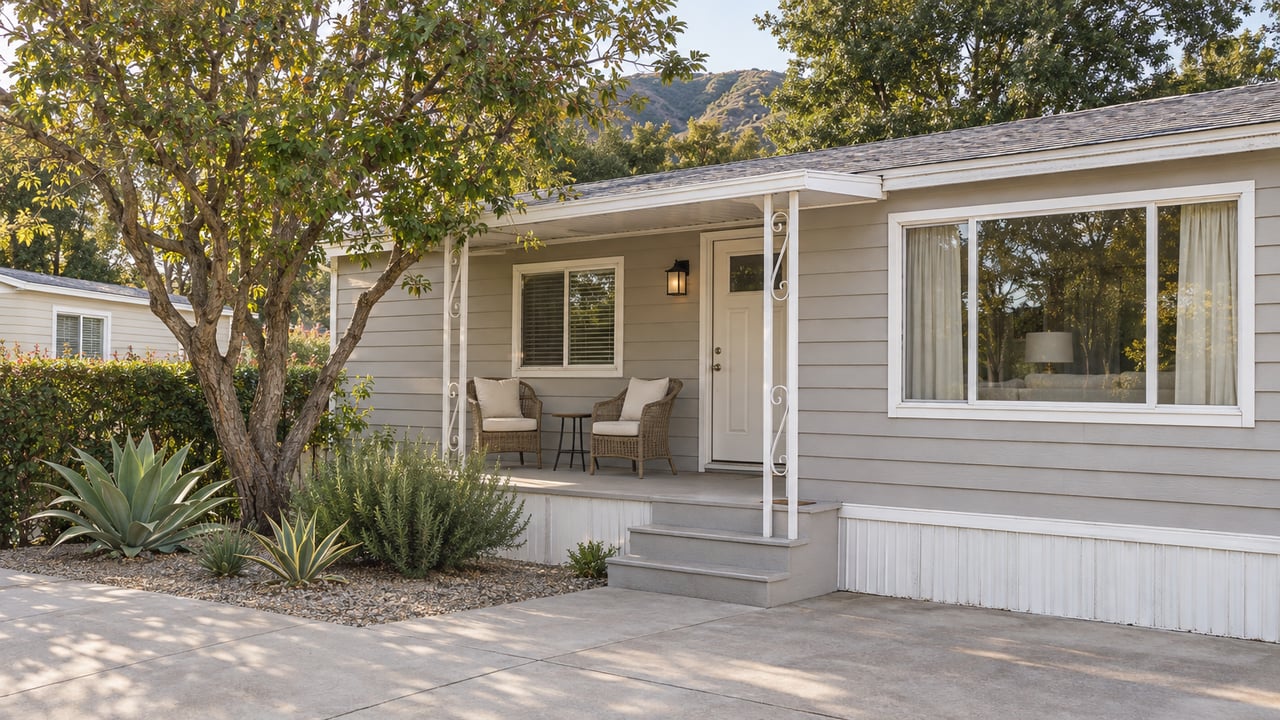
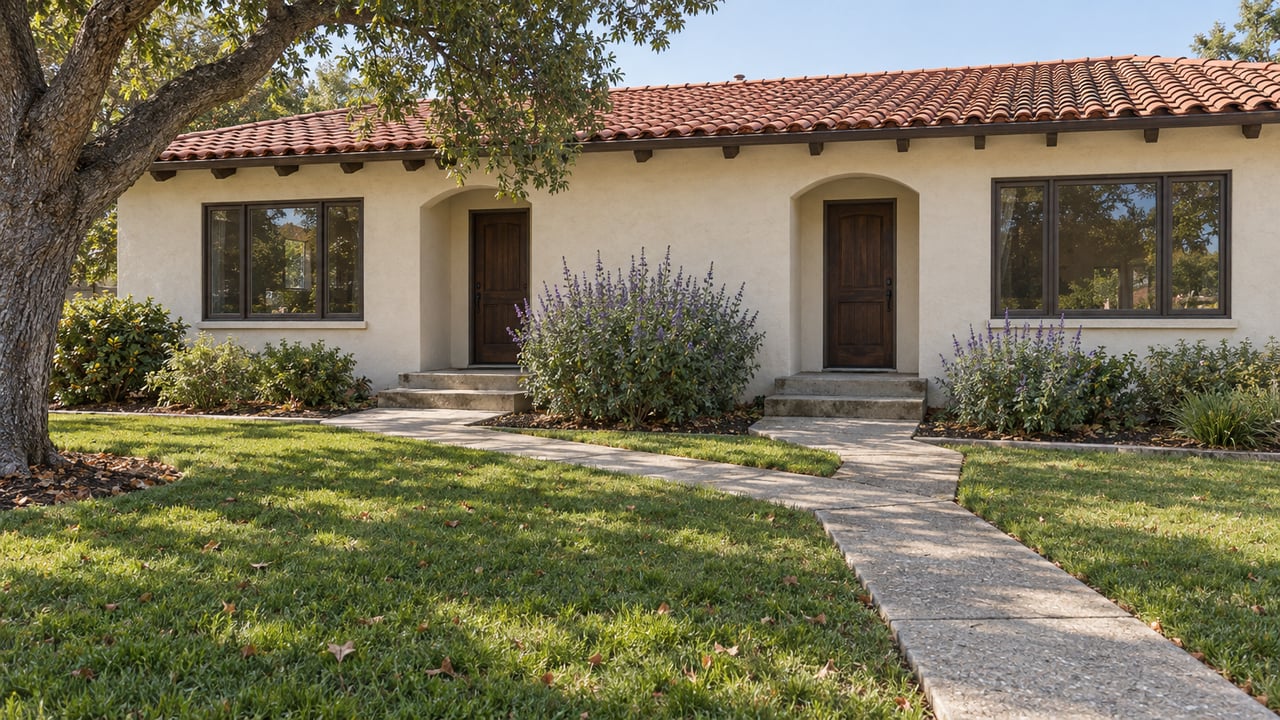
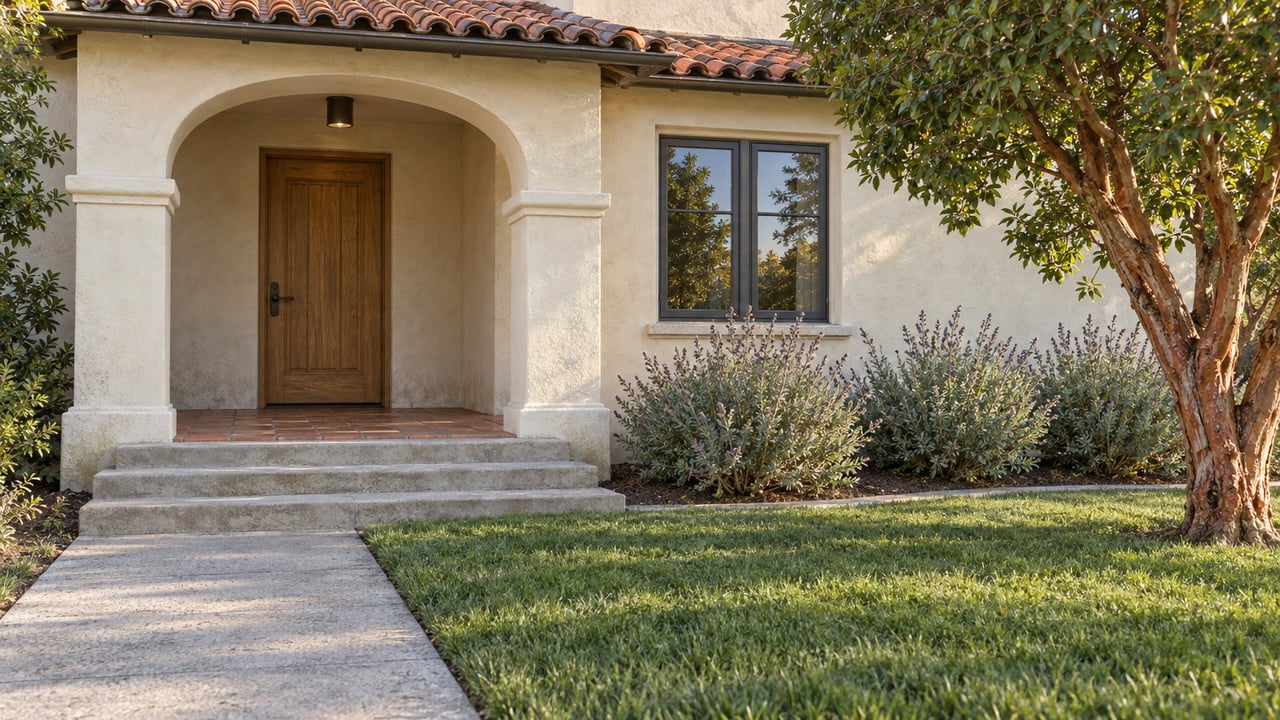
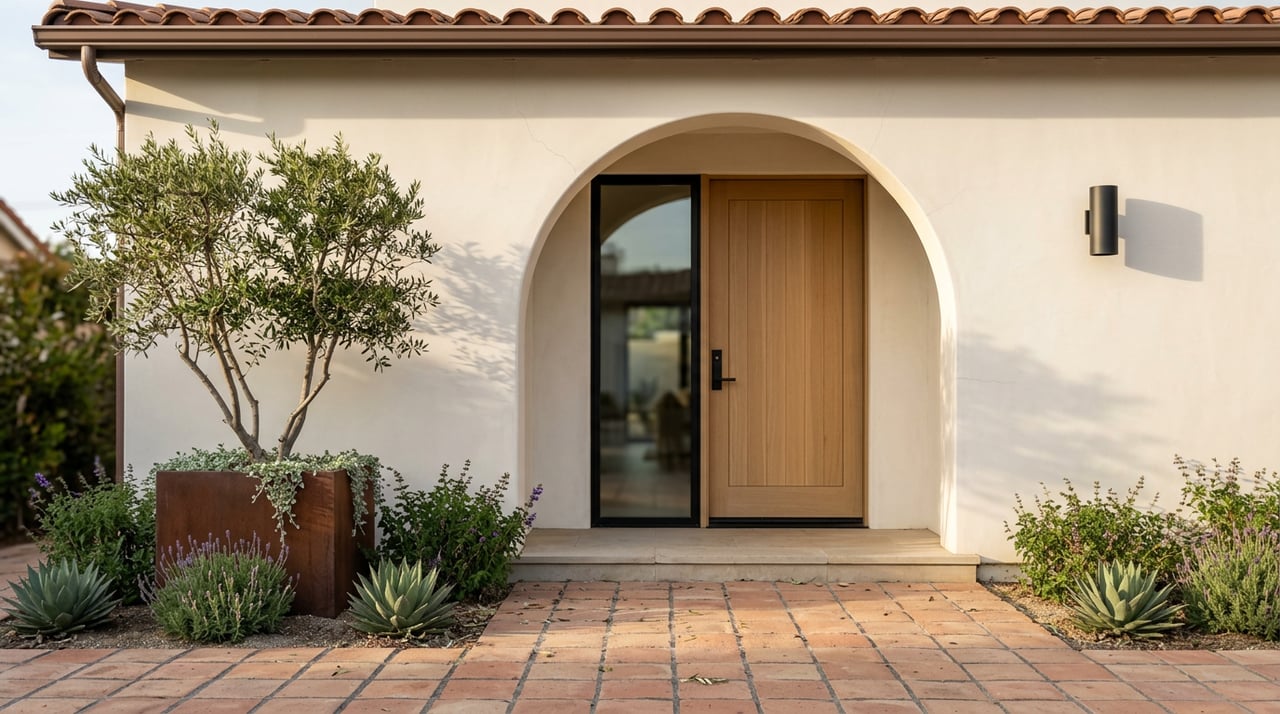
On housing, expect some contrasts. Many OC neighborhoods like Irvine’s Great Park are newer planned communities with modern amenities and consistent finishes. In Pasadena, Monrovia, and Arcadia, you’ll find older homes with character, from craftsman to mid-century, plus renovated options. These differences can affect renovation budgets and comps. Align your search with the style and maintenance level that fits your timeline and comfort.
Your step-by-step checklist
- Get a full net proceeds estimate for your OC sale that includes taxes, payoffs, commissions, and any Mello-Roos.
- Secure a strong pre-approval for your SGV target price and request written HELOC or bridge quotes for backup.
- Choose your sequence: sell-first, buy-first, or sale contingency. Set your contingency windows and, if needed, kick-out and rent-back terms in advance. For standard timing norms, see the C.A.R. contingency summary.
- If selling first, line up temporary housing. If buying first, budget carrying costs through a conservative sale timeline. For escrow length planning, review this California escrow timing overview.
- If schools matter, target a June or July close and confirm district enrollment windows on the Pasadena Unified site.
- Use pre-listing inspections, strategic staging, and a strong launch to maximize offers and reduce days on market.
A local partner to coordinate both sides
Coordinating a sale in Orange County and a purchase in the San Gabriel Valley takes clear numbers, strong presentation, and tight negotiation. You want pricing that attracts the right buyers in OC, contract timing that protects your move, and neighborhood guidance in Pasadena, Monrovia, and Arcadia so you can write with confidence.
If you are ready to discuss your plan, reach out to Mel Macklin Realtor for a calm, high-touch approach. You’ll get hands-on staging and listing presentation, curated neighborhood guidance, and clear contract strategy tailored to your goals.
FAQs
Should I list in Orange County before looking in the San Gabriel Valley?
- If avoiding two mortgages is most important, selling first lowers risk. If you need to secure a specific SGV home and can qualify for a HELOC or bridge, buying first can make sense. Use local days on market plus a 30 to 45 day escrow window to judge timing risk.
How long does the sell-then-buy process usually take in Southern California?
- Many sellers can plan on about 9 to 12 weeks from list date to closed funds, assuming 2 to 8 weeks to get to an accepted offer and 30 to 45 days for escrow, then start the SGV purchase immediately after.
Will SGV sellers accept a home-sale contingency if I still need to sell?
- It depends on the micro-market. Stronger acceptance happens when your OC home is already in escrow, you offer a short contingency period, and other terms are solid. In buyer-leaning markets, contingencies are more negotiable.
What are typical California contingency periods in the purchase contract?
- Many contracts start with a 17-day inspection window and 17 to 21 days for appraisal and loan. All contingency removals must be in writing, and timelines are negotiable between the parties.
What will a bridge or HELOC likely cost me during the overlap?
- HELOCs for top borrowers have recently averaged in the mid to high single digits, while bridge loans commonly run around 8 to 12 percent plus fees. Always obtain live quotes from your lender and plan for a conservative sale timeline.
How should I plan a move if I’m changing schools into the SGV?
- Aim to close in June or July so you can enroll before mid-August starts. Check your target district’s current calendar and enrollment steps early to keep paperwork and permits on track.