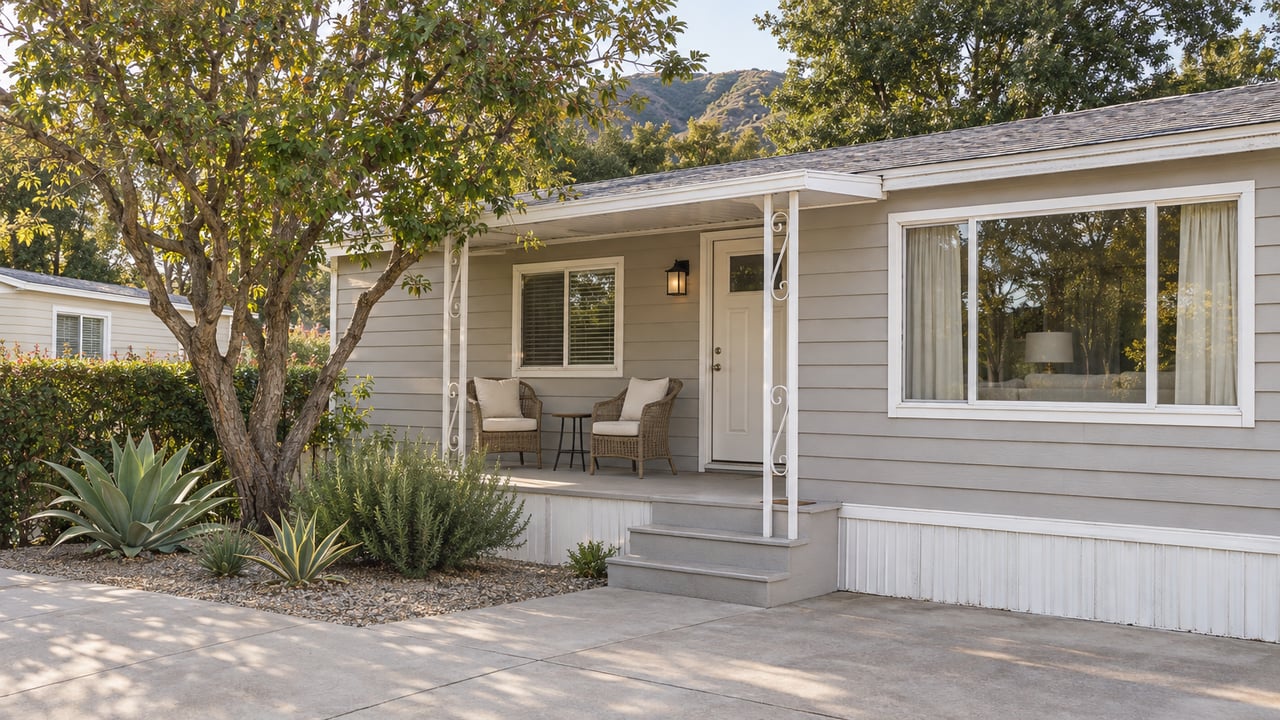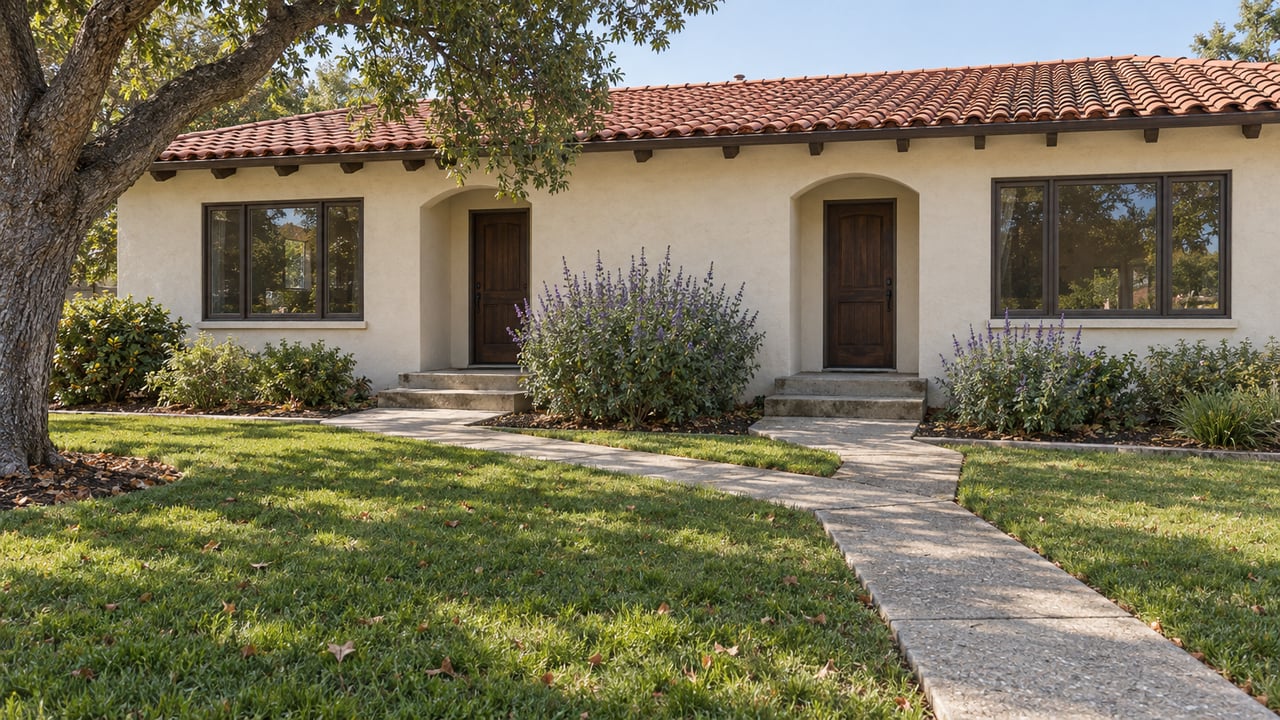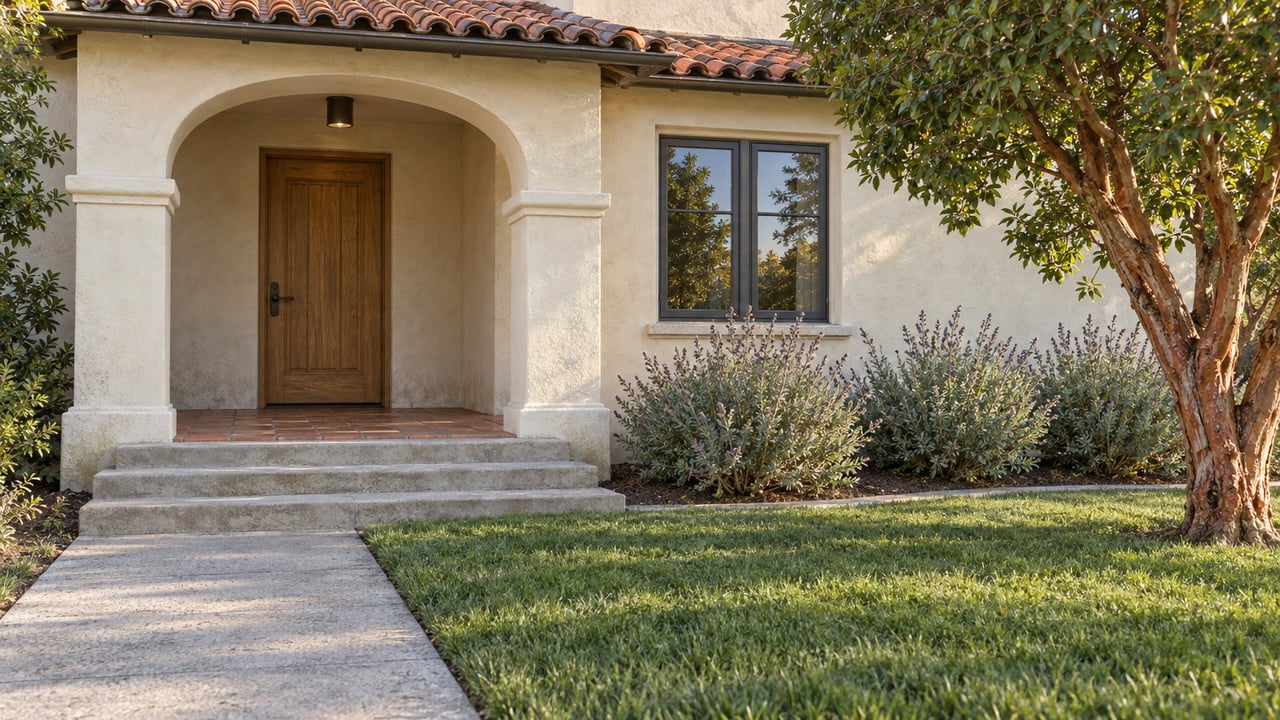
Picture two Inland Empire listings sitting side by side on a spreadsheet, both priced at $640,000. Same square footage, same bedroom count, same lender quote for principal and interest. On paper they're identical. On the mortgage statement they're not even close. One of them, a resale home built before 2005 in an established Rancho Cucamonga neighborhood, has no active CFD assessment. The other, a newer build in a master-planned community, can run about $480 a month more once its Community Facilities District tax is added to the bill. Same price. Different house payment while the assessment remains in effect, and none of it shows up in the listing price.
For San Gabriel Valley buyers who've been watching Inland Empire prices as a possible answer to what they can't afford closer to home, this is the detail that changes the math. The Inland Empire discount is real. It just isn't uniform, and the newest, most polished communities, the ones with the walking trails and the community centers that make the listing photos look appealing, are frequently the ones carrying the heaviest CFD assessments.
What a Mello-Roos Assessment Actually Does
A Community Facilities District, commonly called Mello-Roos in California, is a special tax attached to a property to pay off bonds that financed the roads, sewer lines, parks, and schools built for a new development. It's not optional, it doesn't show up in the sale price, and it doesn't decline the way a mortgage balance does. It appears as a separate line item on the property tax bill, layered on top of the roughly 1% base rate set by Proposition 13.
The gap this creates in the Inland Empire is measurable. As of a first-time buyer guide published in July 2026, total effective property tax rates in Ontario Ranch, one of San Bernardino County's largest active new-construction corridors, run 1.9% to 2.2% of assessed value once CFD assessments are included. Newer Rancho Cucamonga tracts run 1.5% to 1.8%. Older Rancho Cucamonga neighborhoods without active CFDs sit closer to 1.1% to 1.25%. Across the region generally, that CFD layer adds somewhere between $2,000 and $6,000 a year, or roughly $170 to $500 a month, depending on the bond schedule for that specific tract.
That range is wide enough to change what a buyer can actually qualify for, which is why a separate August 2026 buyer-math breakdown put it bluntly: taxes, insurance, HOA dues, and Mello-Roos combined can consume a meaningful share of a household's approved housing budget before a single dollar goes toward principal and interest.
Where the Gap Shows Up Most
Ontario Ranch is the clearest example. It's an active build-out with several national builders working simultaneously, including Landsea Homes, Brookfield Residential, Lennar, KB Home, and Richmond American Homes. A Q2 2026 quarterly market snapshot for Ontario and Ontario Ranch, published in late July 2026, put the trailing three-month median sale price at $665,000, down 1.5% year over year, with homes selling in a median of 47 days. That's genuinely more affordable than most San Gabriel Valley comparables. It's also almost entirely new-construction inventory, which means almost every one of those homes carries an active CFD.
Rancho Cucamonga, just to the north, tells a more layered story because it mixes new construction with decades-old resale stock. The same Q2 2026 snapshot put its median at $785,000, up modestly year over year, with a median 49 days on market and multiple-offer activity still common on well-priced listings. But "Rancho Cucamonga" isn't one number. A separate June 2026 buyer guide breaks the city into named subdivisions with meaningfully different tax pictures:
| Community | Median Price (2026) | Days on Market | Bond Status |
|---|---|---|---|
| Whitney Ranch | $892,500 (+3% YoY) | 57 | Active Mello-Roos bonds |
| Stanford Ranch | $696,500 | Not specified | Lower or paid-off bonds |
| Older Rancho Cucamonga resale (pre-2005) | ~$640,000 | Not specified | No active CFD |
Whitney Ranch and Stanford Ranch both offer the amenities buyers associate with a master-planned community, walking trails, a dedicated community center, HOA-maintained landscaping. But Whitney Ranch's bonds are still active, while Stanford Ranch's are further along toward payoff or already retired. Two neighborhoods that look nearly identical from the street can carry noticeably different monthly tax obligations depending on when their bonds were issued and how much of that debt has already been paid down.
Northern Rancho Cucamonga, in the Alta Loma area, sits outside this comparison entirely. Larger equestrian-zoned lots there, often a half-acre or more, typically exceed $1.2 million and represent a different buyer profile: someone prioritizing land and privacy over new-construction finishes.
The Retail and Infrastructure Behind the Price Tags
Part of what makes Ontario Ranch and Rancho Cucamonga attractive on paper is the lifestyle infrastructure that's come with them. Victoria Gardens, an open-air retail and dining destination, and Haven City Market anchor daily life in Rancho Cucamonga. Ontario Ranch has been building out its own retail base as the community matures. Newer construction like Sycamore Heights, a Lennar community, and Etiwanda Classics at Highland, a 22-home luxury estate development, are adding fresh inventory in 2026 at the higher end of the local price range.
There's also a longer-term factor working in Rancho Cucamonga's favor: it's the announced southern terminus for Brightline West, the high-speed rail line under construction to connect Southern California and Las Vegas. That project is still under construction with the kind of timeline extensions typical of large infrastructure builds, so it's not something to price into an offer today. But it's a real, publicly announced catalyst that buyers holding property in Rancho Cucamonga for the long term should be aware of, even as it remains unrealized for now.
Mortgage rates add one more layer to the timing question. As of late July 2026, the average 30-year fixed rate sat around 6.66%. That's high enough that buyers in this corridor are, by most accounts, more selective than they were during the low-rate years, weighing payment first and price second. With roughly 350 homes on the market in Rancho Cucamonga at the end of June 2026 and typical pending timelines around 20 days, there's more room to negotiate than there was a couple of years ago, but the CFD line item doesn't move with the rate environment. It's fixed to the bond schedule, not the market.
What This Means If You're Comparing the Inland Empire to the San Gabriel Valley
The instinct to compare Inland Empire prices against San Gabriel Valley prices and see an obvious discount is understandable. A $665,000 Ontario Ranch home does look like meaningful savings against a comparable San Gabriel Valley listing. The mistake is stopping the comparison at the sale price.
The real comparison has to include the effective tax rate, not just the base rate. A buyer weighing a new Ontario Ranch home against an older Rancho Cucamonga resale at a similar price point isn't just choosing between finishes and floor plans. They're choosing between a 1.9% to 2.2% effective tax rate and a 1.1% to 1.25% rate, a difference that can run into the hundreds of dollars a month and may add up to hundreds of thousands over a 30-year loan term if the assessment remains in effect that long.
Before writing an offer on any Inland Empire new-construction property, request the actual CFD disclosure from the builder or seller, not a general estimate. Confirm the current annual assessment amount and how many years remain on the bond. Build that number into the monthly payment calculation the same way you'd build in HOA dues or homeowners insurance, because unlike a mortgage rate, it's not something a lender buydown will touch.
A Couple of Direct Questions
Does a Mello-Roos assessment ever go away? Eventually, yes. CFD bonds are issued for a set term, and the assessment is retired once the bonds are paid off. That's part of why a subdivision like Stanford Ranch, further along in its bond schedule, can carry a meaningfully lower monthly tax load than a newer tract like Whitney Ranch with active bonds still outstanding.
Is the CFD amount the same for every home in a development? No. It varies by lot, home size, and sometimes by the specific phase of the development in which the home was built. That's exactly why a general estimate isn't good enough. The actual figure for a specific address needs to come from the current tax bill or the builder's CFD disclosure, not a neighborhood average.
If you're weighing a move between the San Gabriel Valley and the Inland Empire, or trying to make sense of a CFD disclosure on a listing you're already considering, I'm happy to walk through the actual numbers with you. Mel Macklin works with San Gabriel Valley buyers every day who are asking exactly this question, and getting the full monthly picture before you write an offer is worth the extra hour it takes.
This article is general information, not legal, tax or financial advice. Consult a qualified professional about your situation.